

Environmental Education Centers Introduction
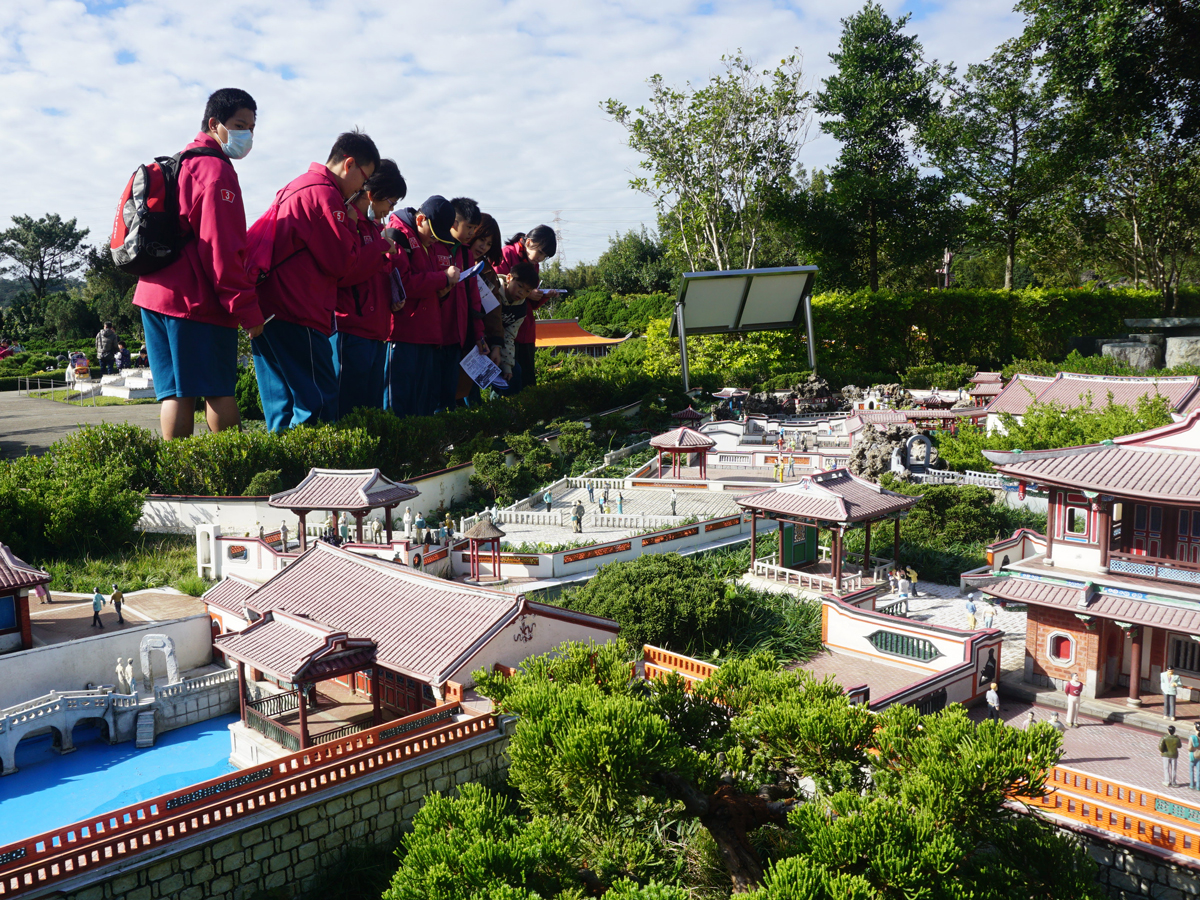 Window On World Miniature and Culture Institute
 International Jane Goodall's Roots & Shoots Eco-center, Chang Jung Christian University
 Anyo Museum
 Little Ding-Dong Loving Earth Practical Workshop
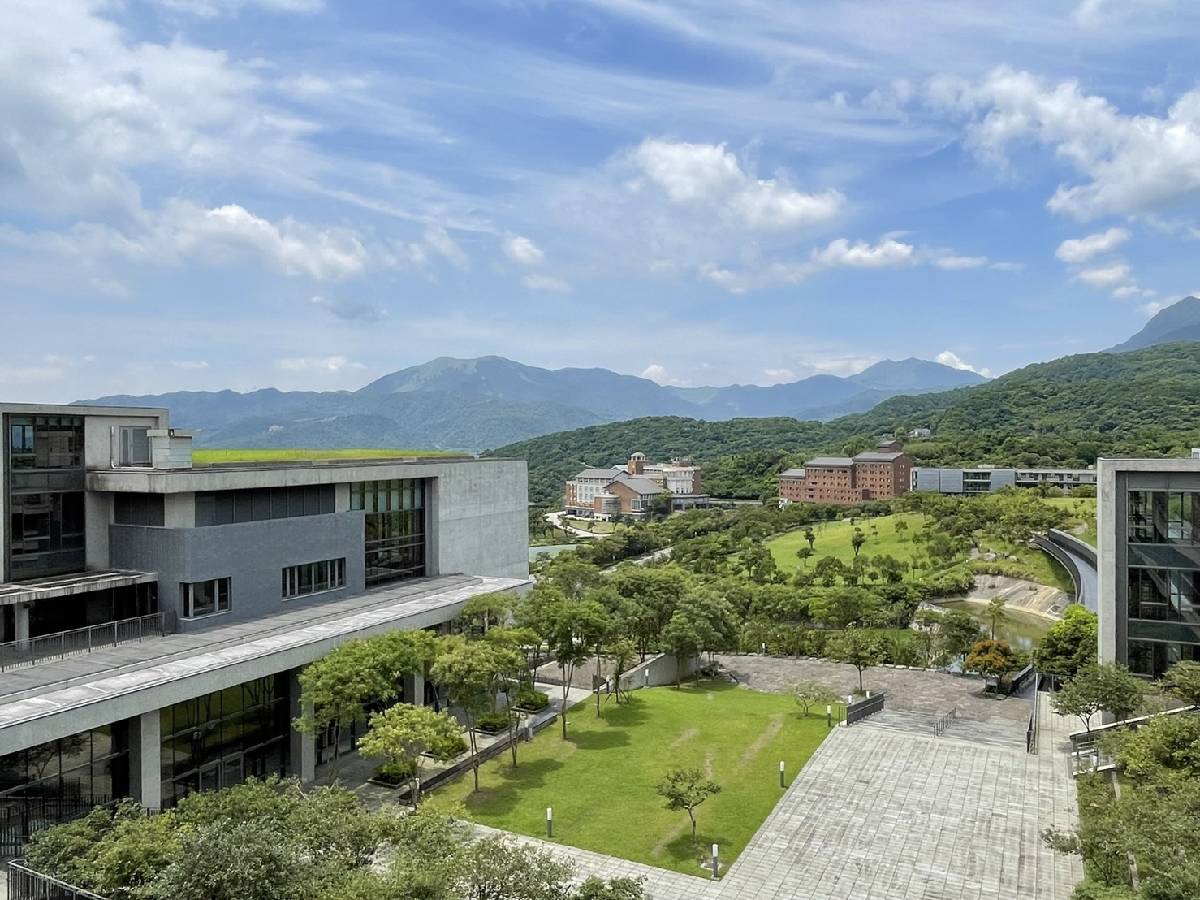 Dharma Drum Campus for Environmental and Spiritual Education
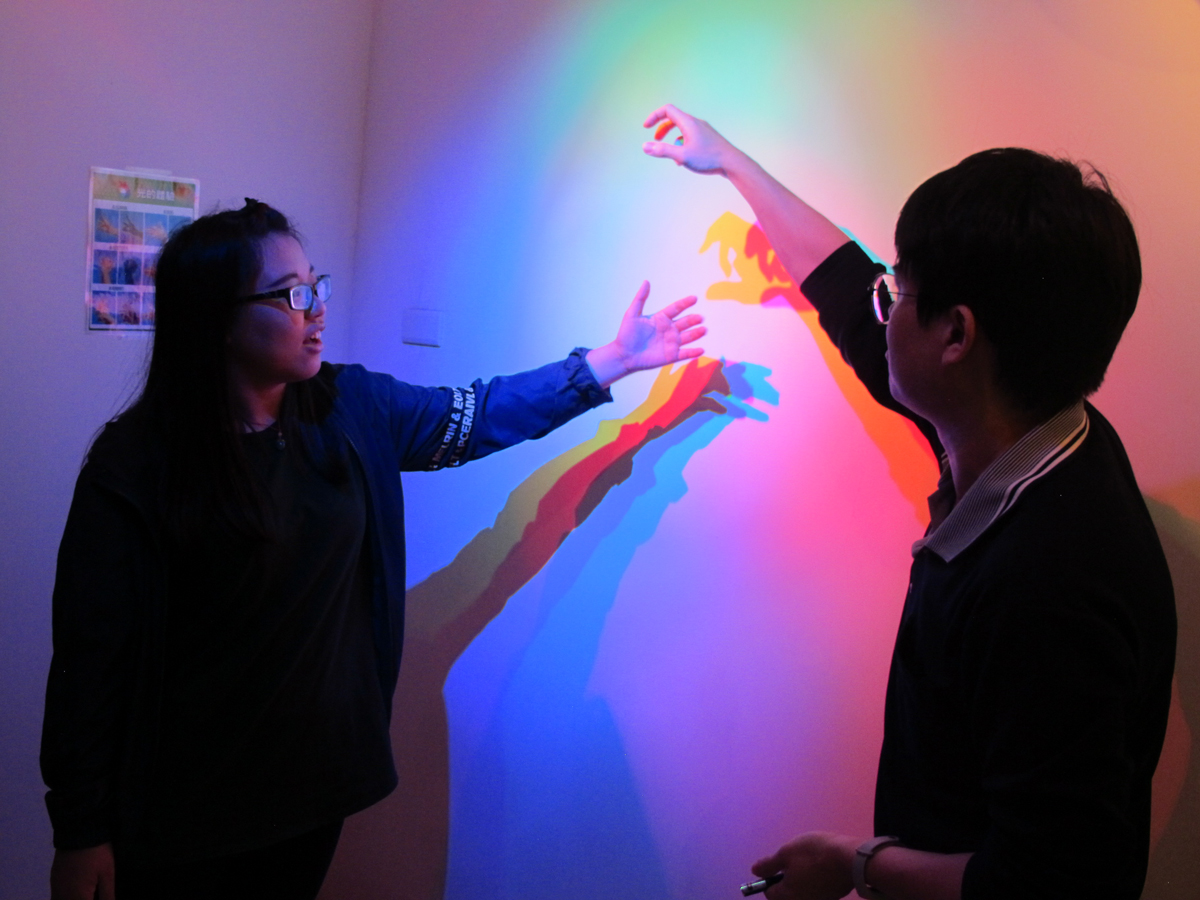 Chung-Tai Resource Tech. Corp. Environmental Education Center
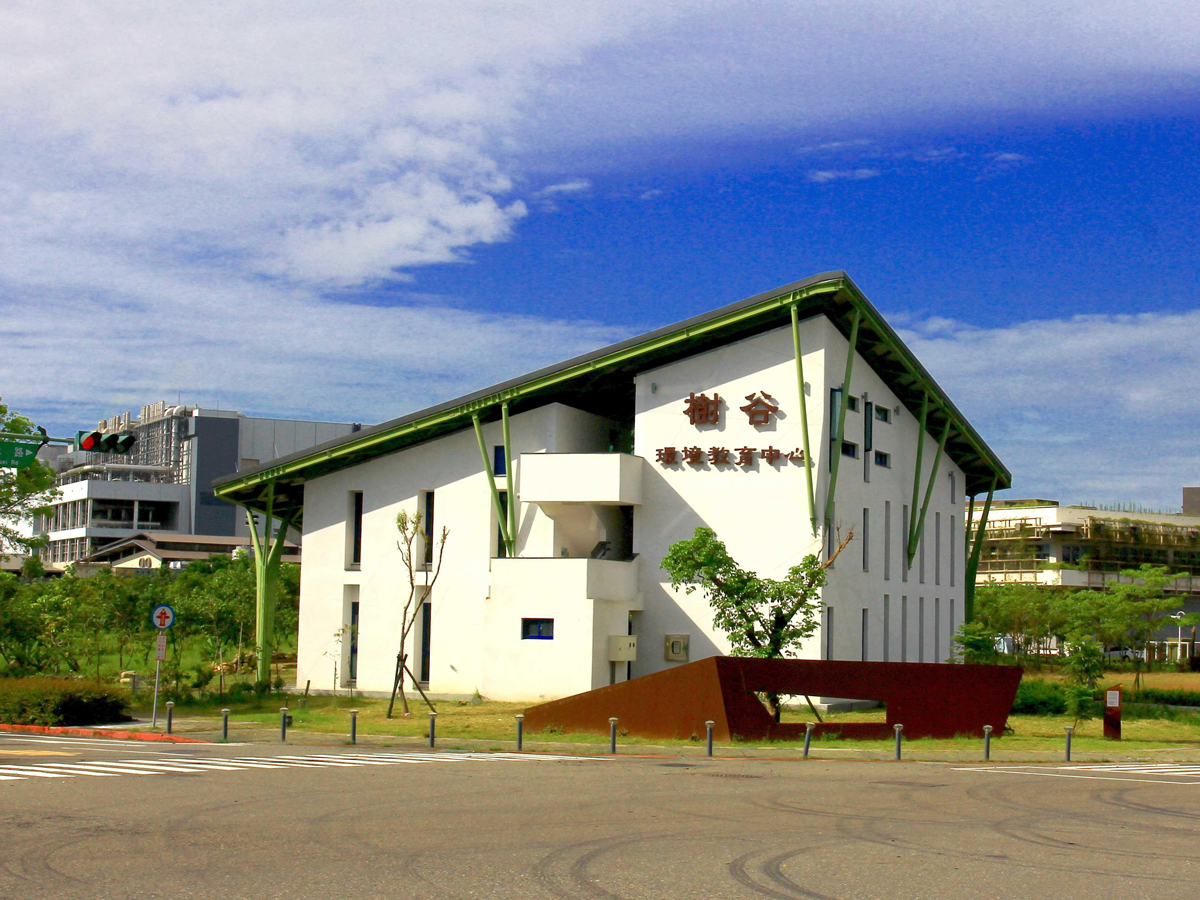 Tree Valley Archaeological and Environmental Education Center
 TAIYEN BIOTECH CO.,LTD. Cigu Salt Fields
 National Taiwan Science Education Center
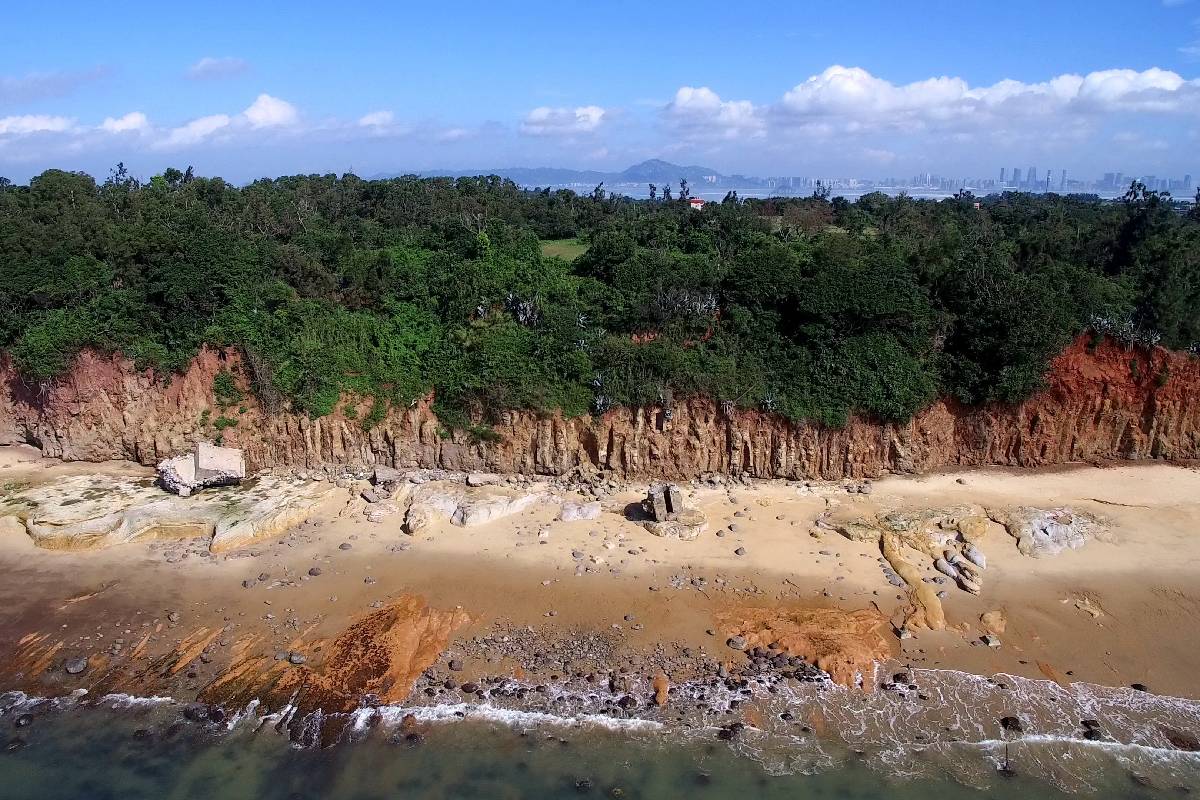 Lieyu Township Environmental Education Park
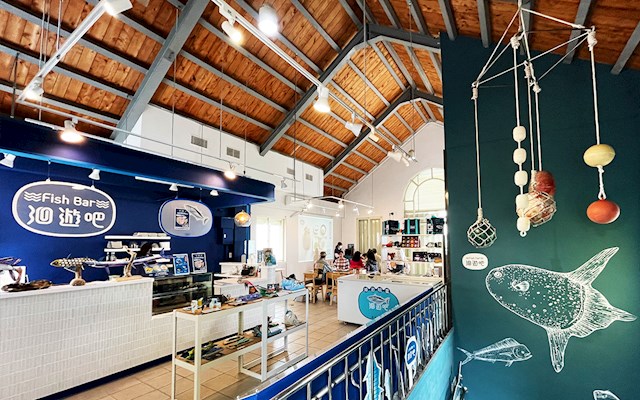 FISH BAR EXPERIENCE & EXHIBITION CENTER
 Yun Hsien Resort
 Qishan Tang Chang Environmental Education Centre
.jpg) Sun Moon Lake Environmental Education Center
Sun Moon Lake Environmental Education Center Beneficial Microbes Museum
 National Cheng Kung University Marine Biology and Cetacean Research Center
 Shengou Water Park
 Chihnan Nature Center
.jpg) Nanzih Water Environmental Education Ceter
Nanzih Water Environmental Education Ceter NTU Agronomist Farm
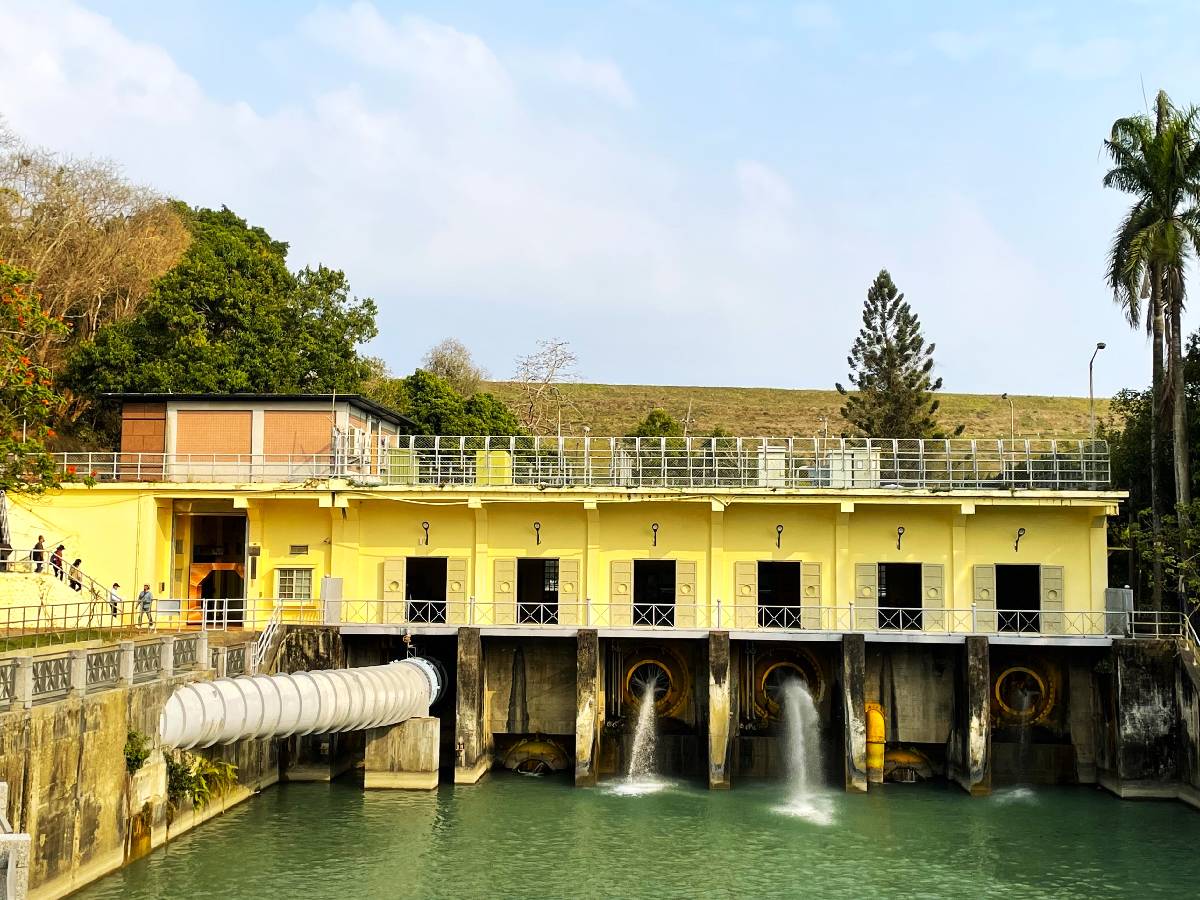 WUSANTO Reservoir Envirnmental Education Field
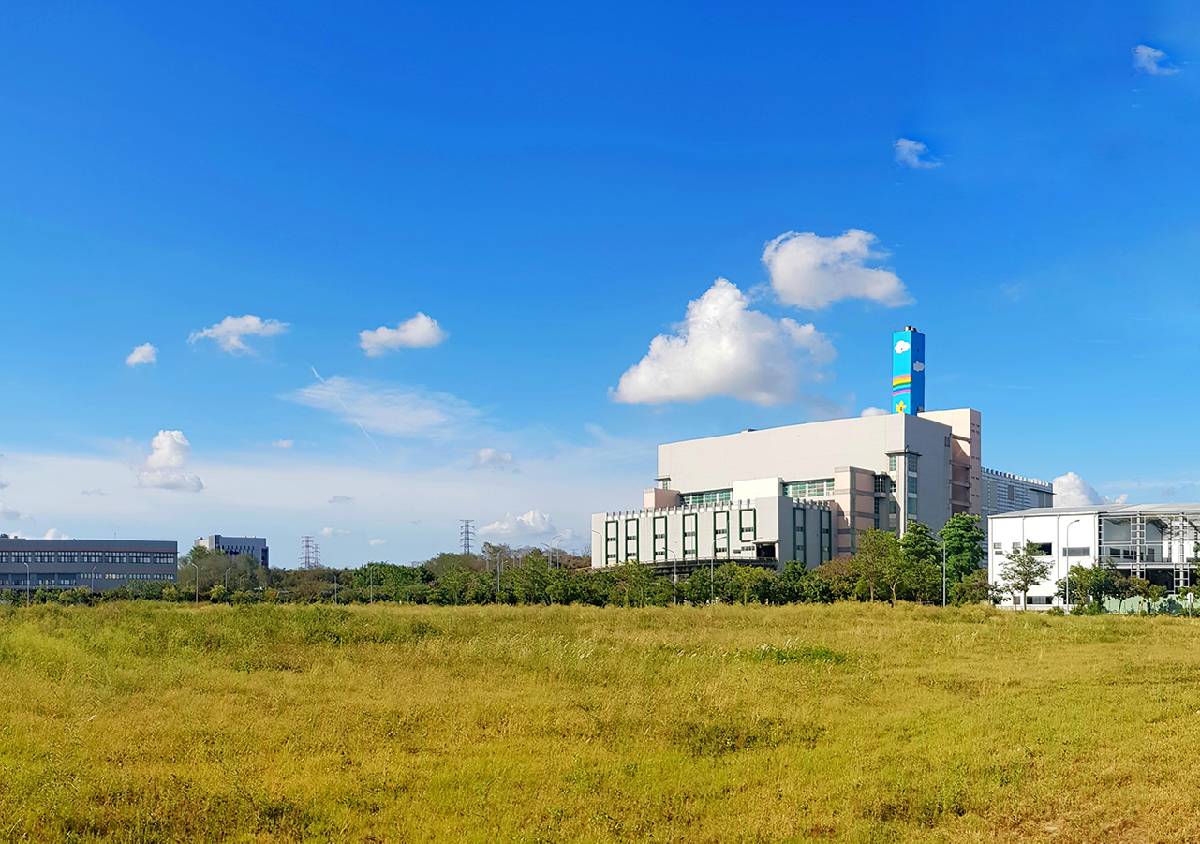 Yong Kang Waste-to-Energy (Incineration) Plant, Environmental Education Center
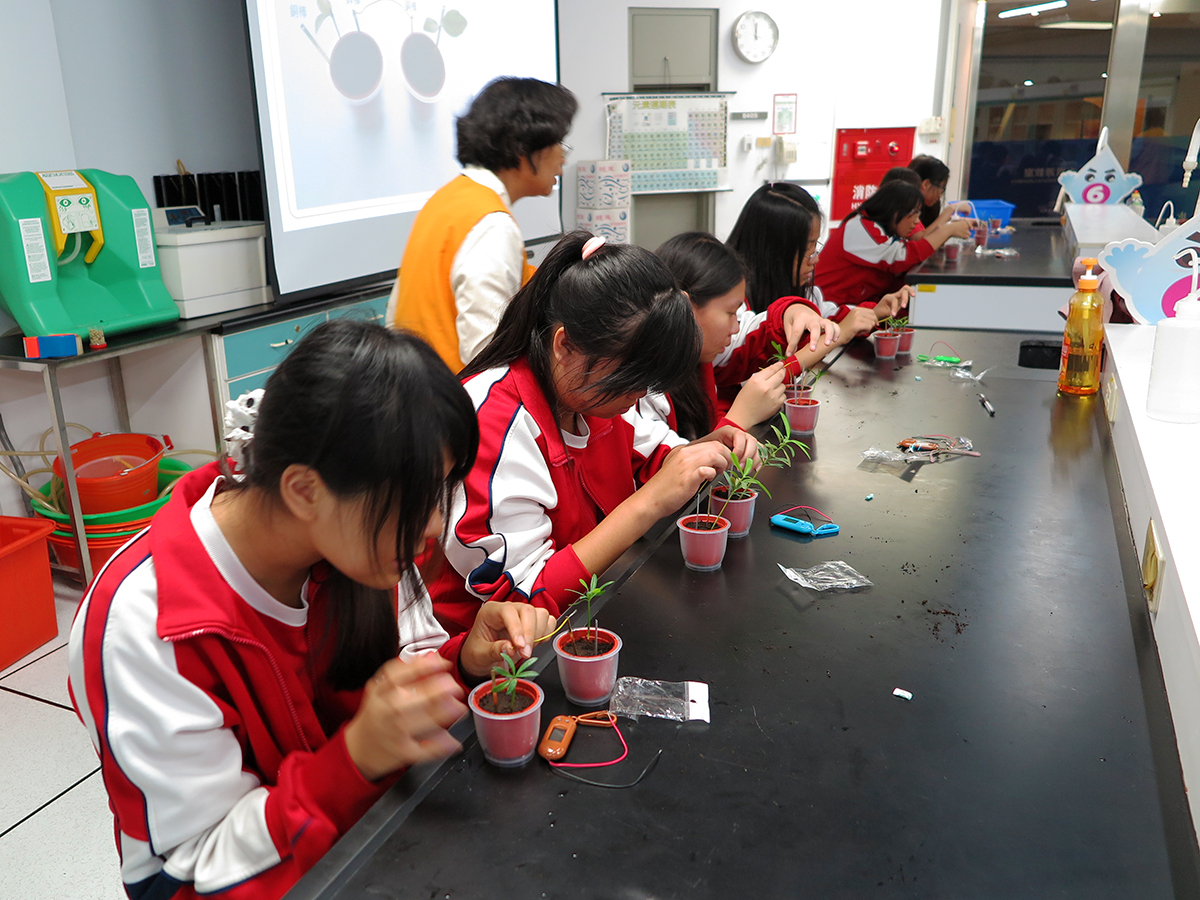 National Science And Technology Museum
 Kinmen National Park
 Muzha Waste Incineration Plant, Environmental Protection Bureau of Taipei
 Changhua County Wanggong Oyster Shell Art Cultural Association
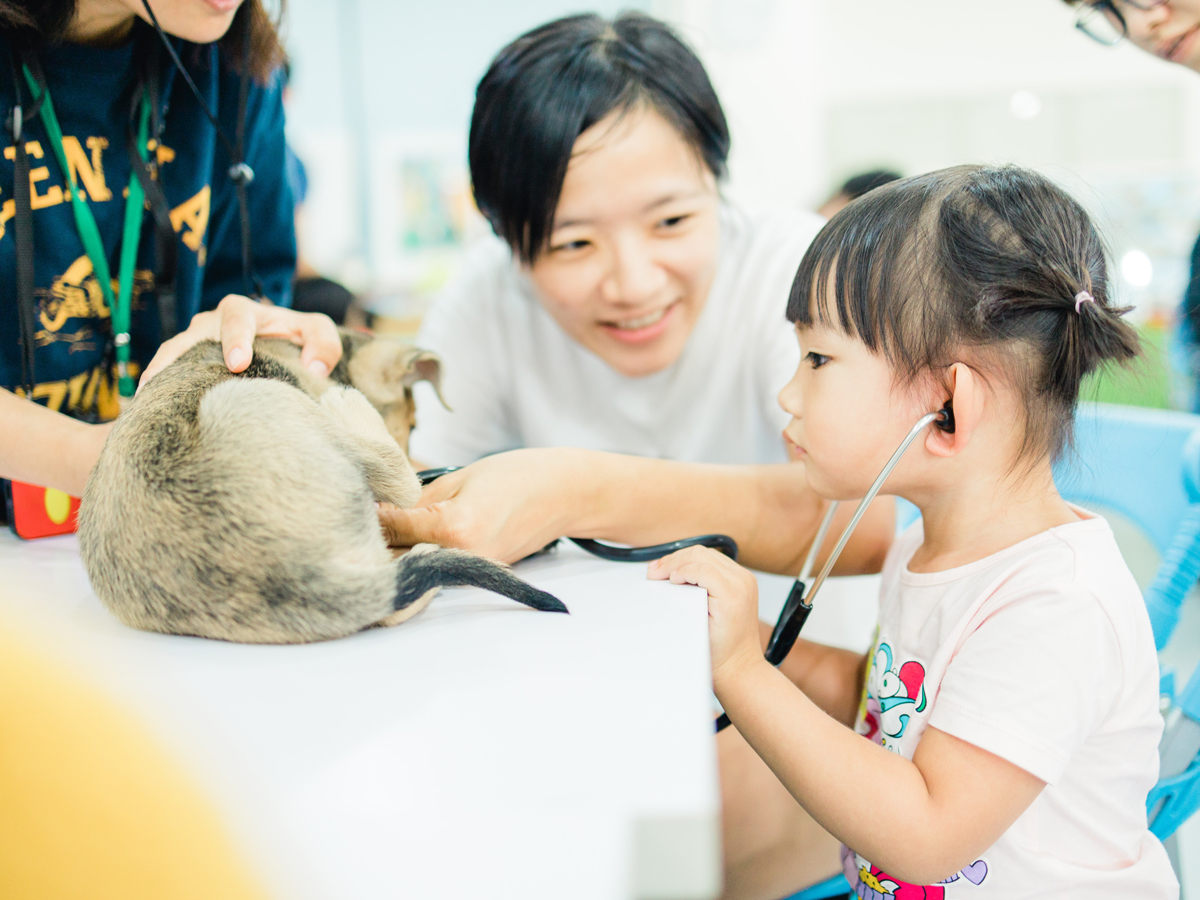 Kaohsiung Yanchao Animal Protection and Education Park
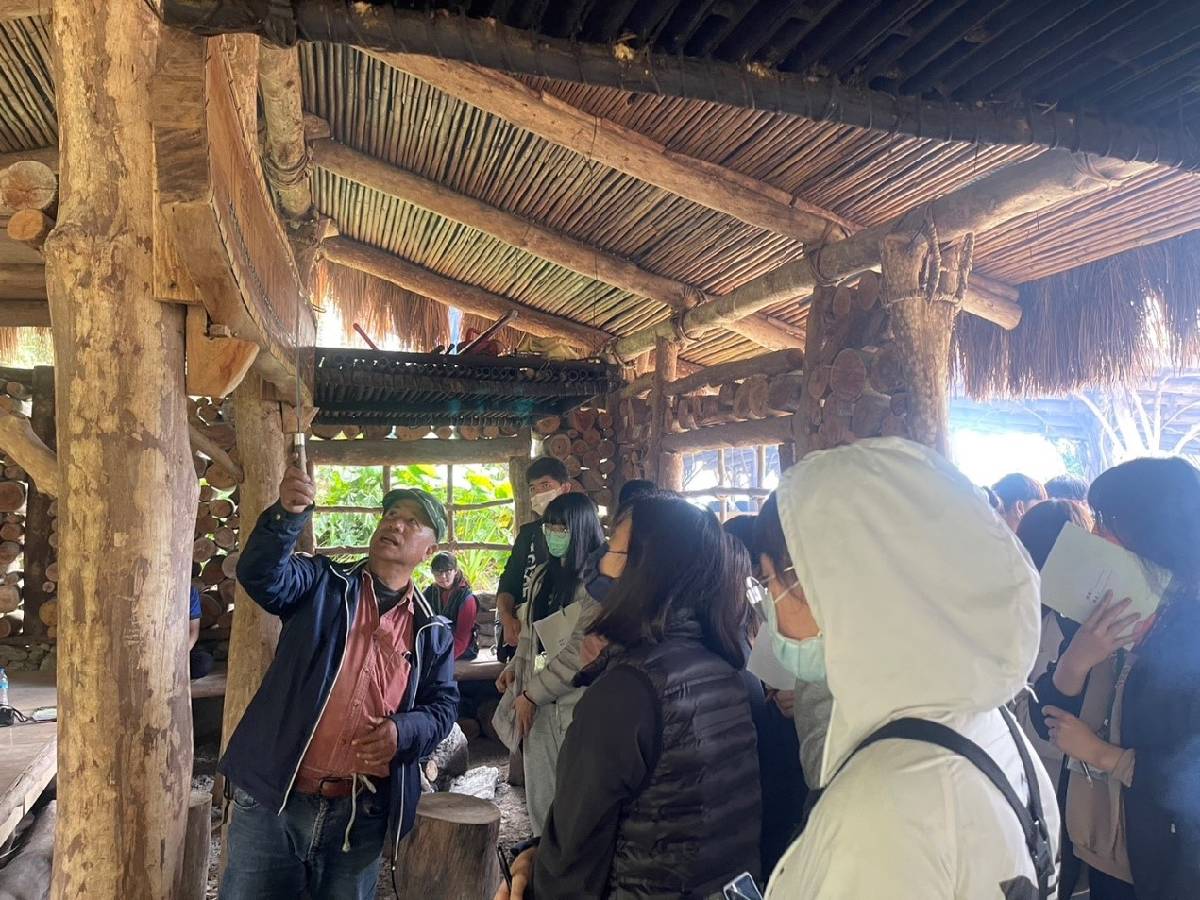 SAZASA Forest Culture Museum
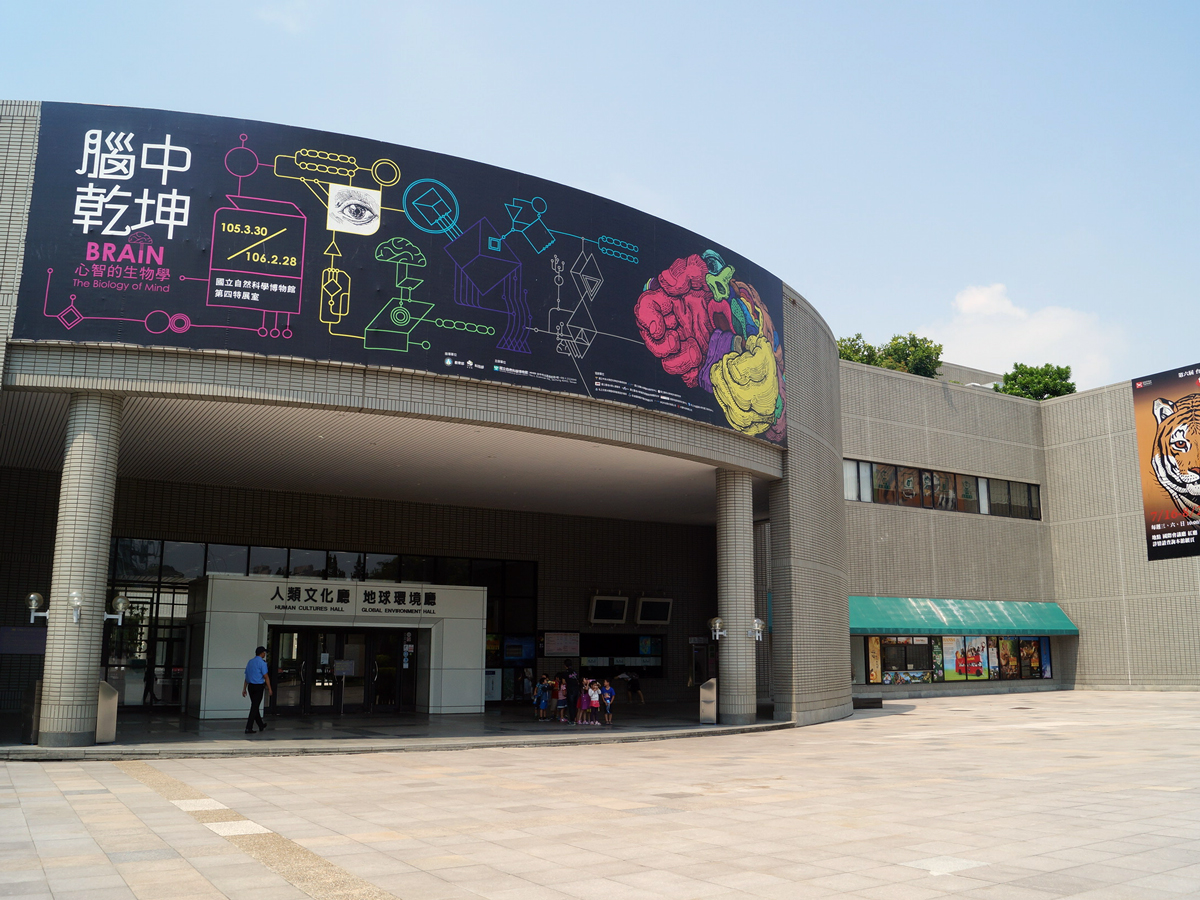 National Museum of Natural Science
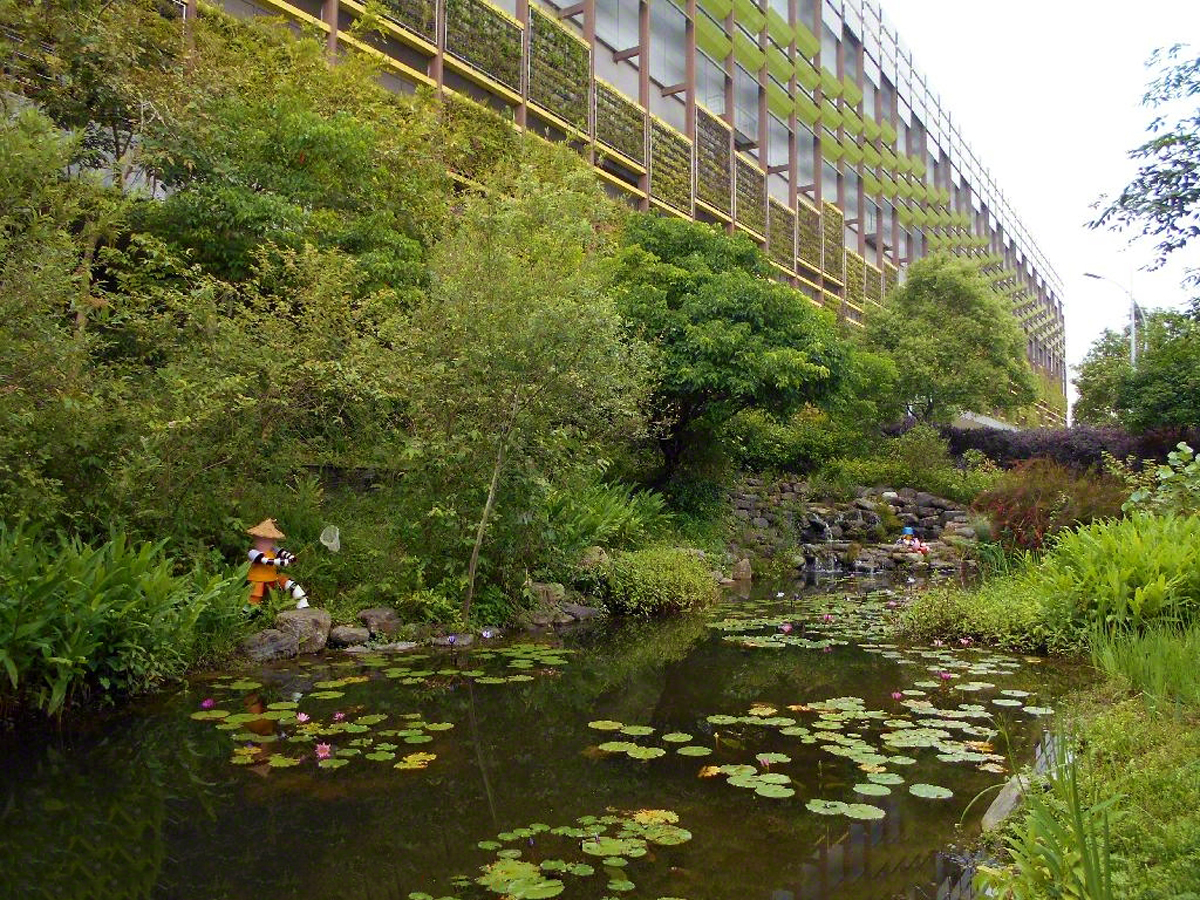 TSMC Taichung Ecological Campus
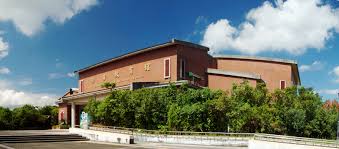 Endemic Species Research Institute
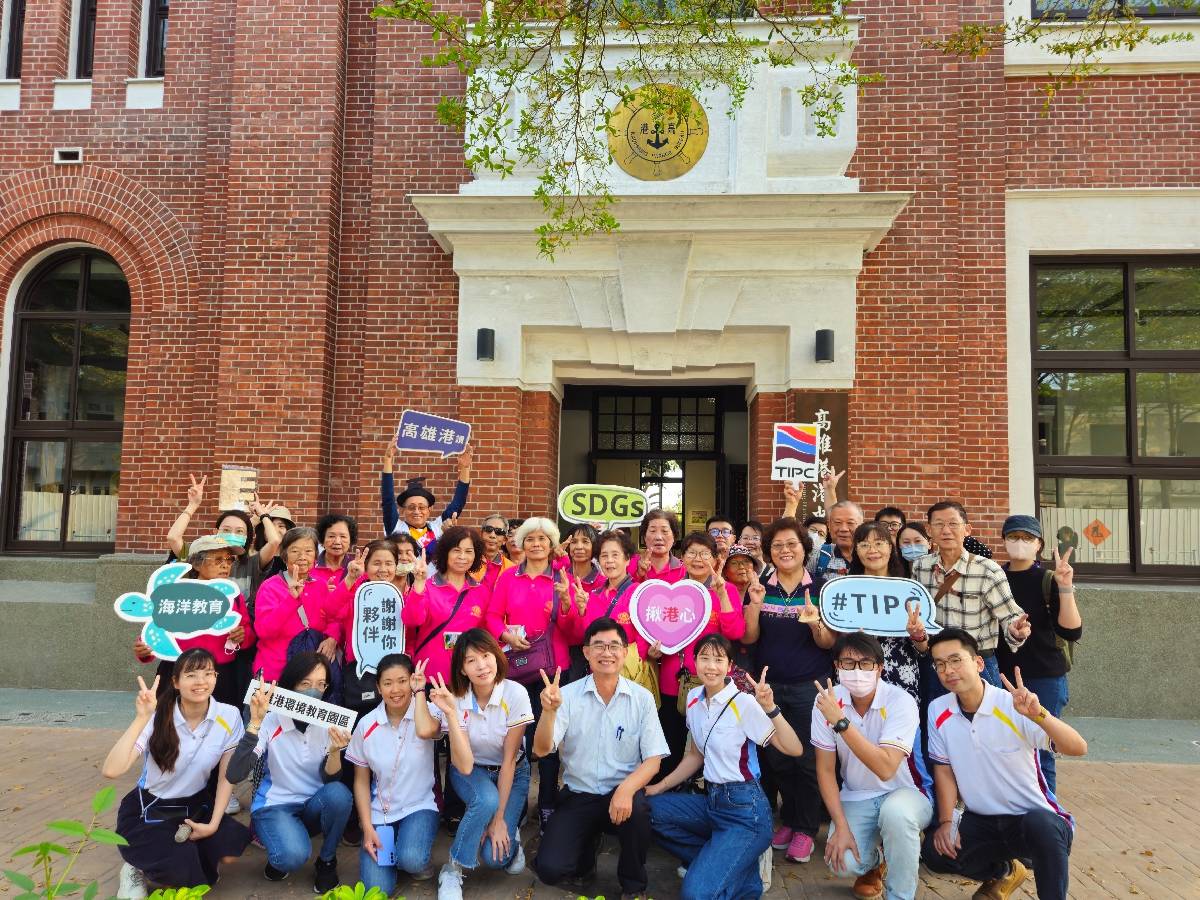 Kaohsiung Port Environmental Education Center
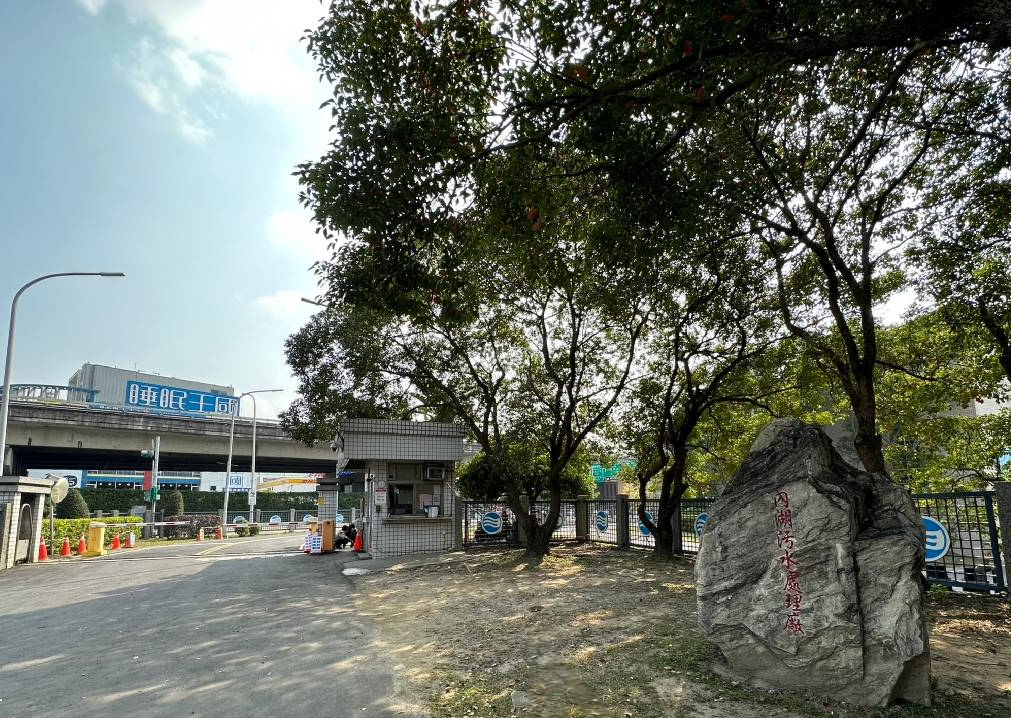 Neihu Sewage Treatment Plant
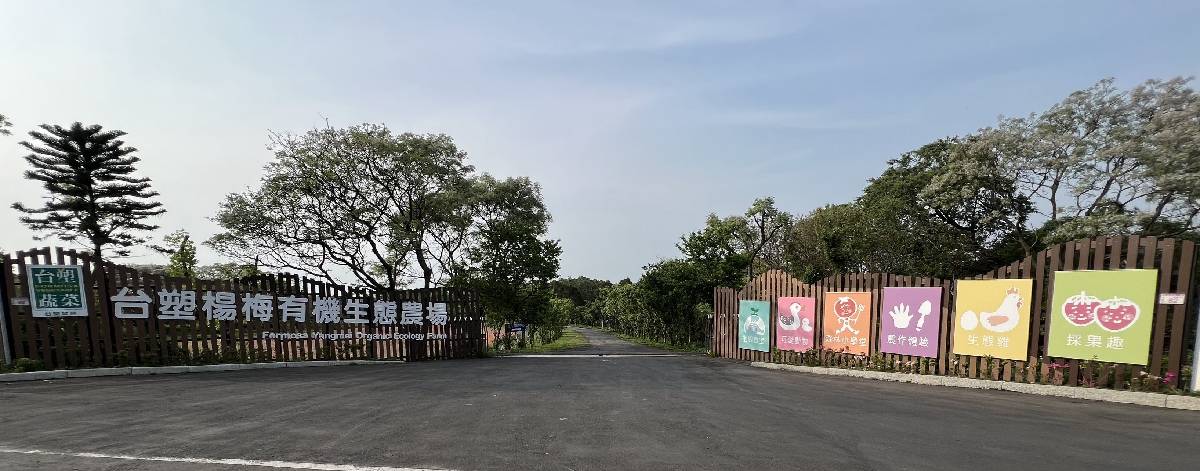 Formosa Yangmei Organic Ecology Farm
 Tainan City Recycle Education Park
 Haifeng Wetland Environmental Field
 Sun-Link-Sea Vacation Resorts
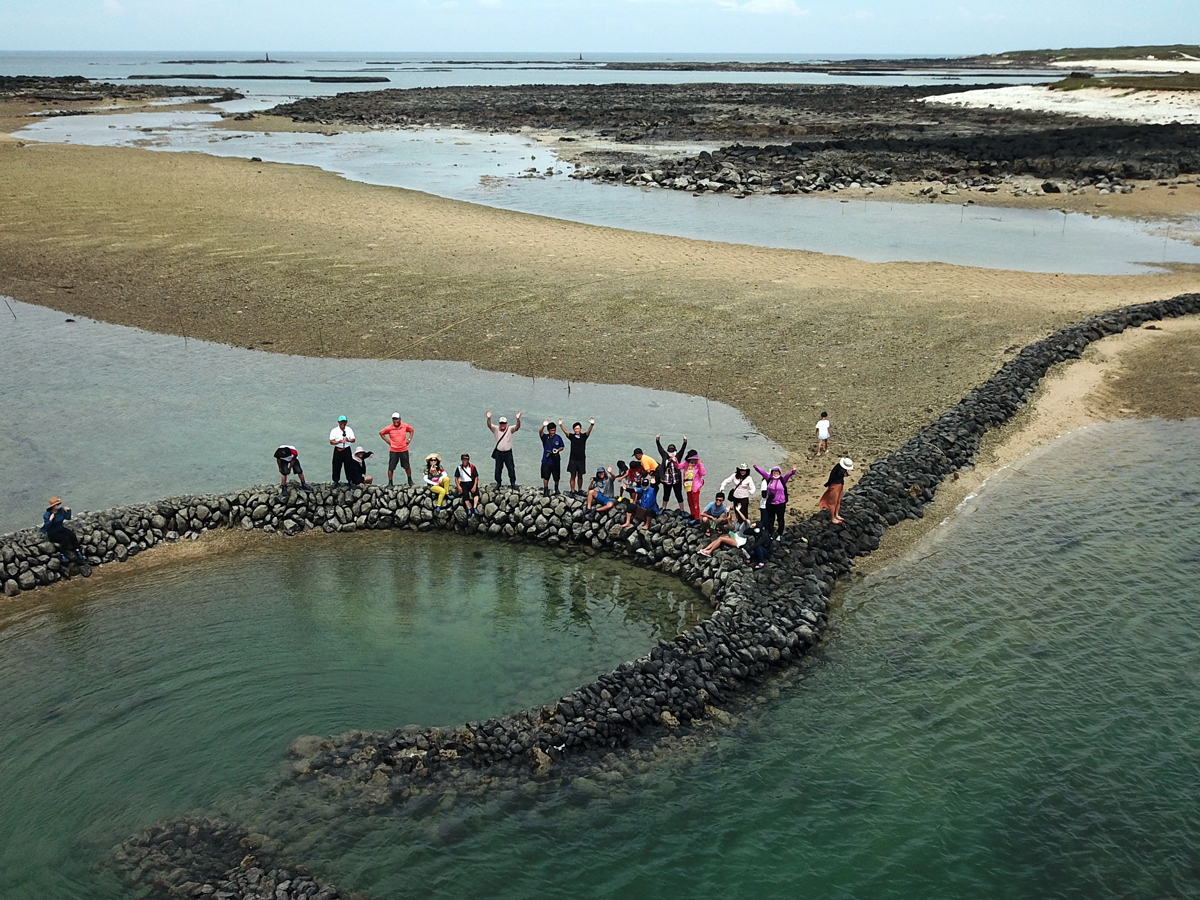 Jibei Cultural Museum of Stone Weirs
 Taoyuan Disaster Education Center
.JPG) Metrology & Green Energy Exploration Hall
Metrology & Green Energy Exploration Hall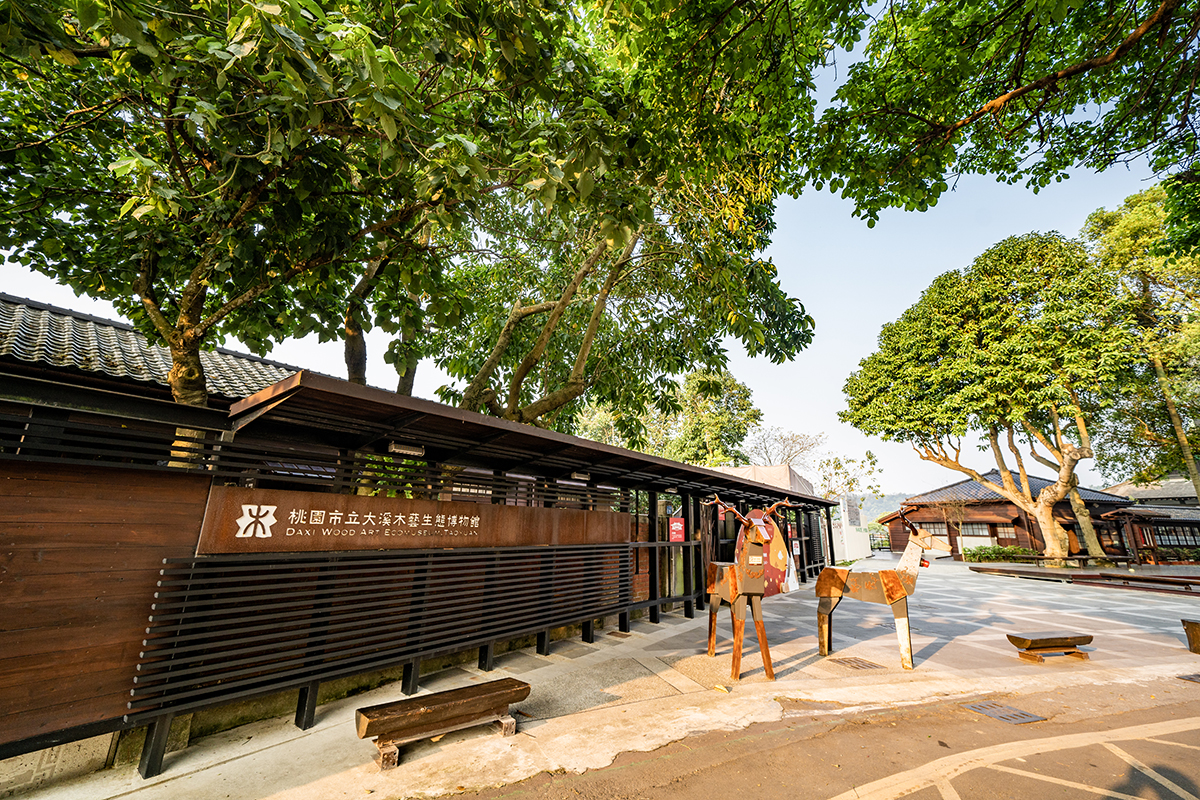 Daxi Wood Art Ecomuseum, Taoyuan
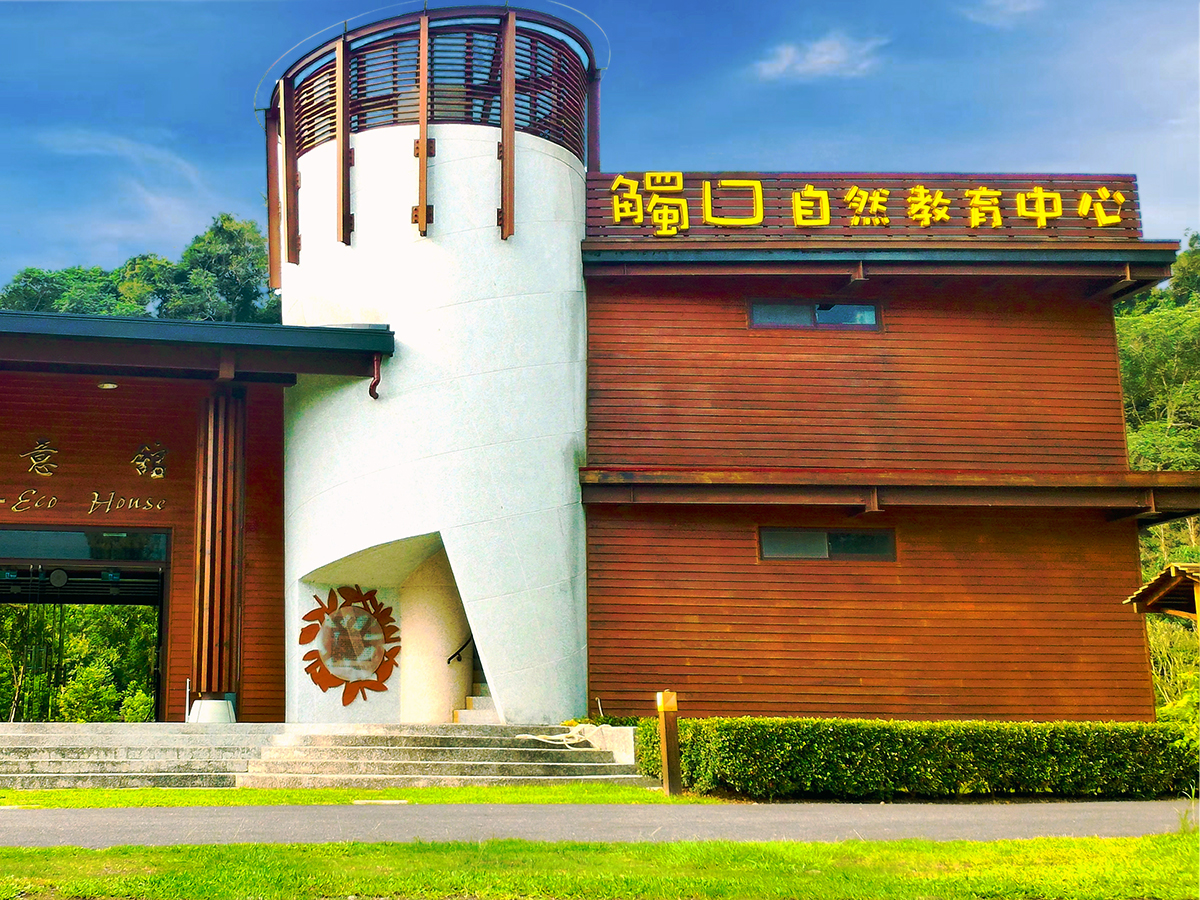 Chukou Nature Center
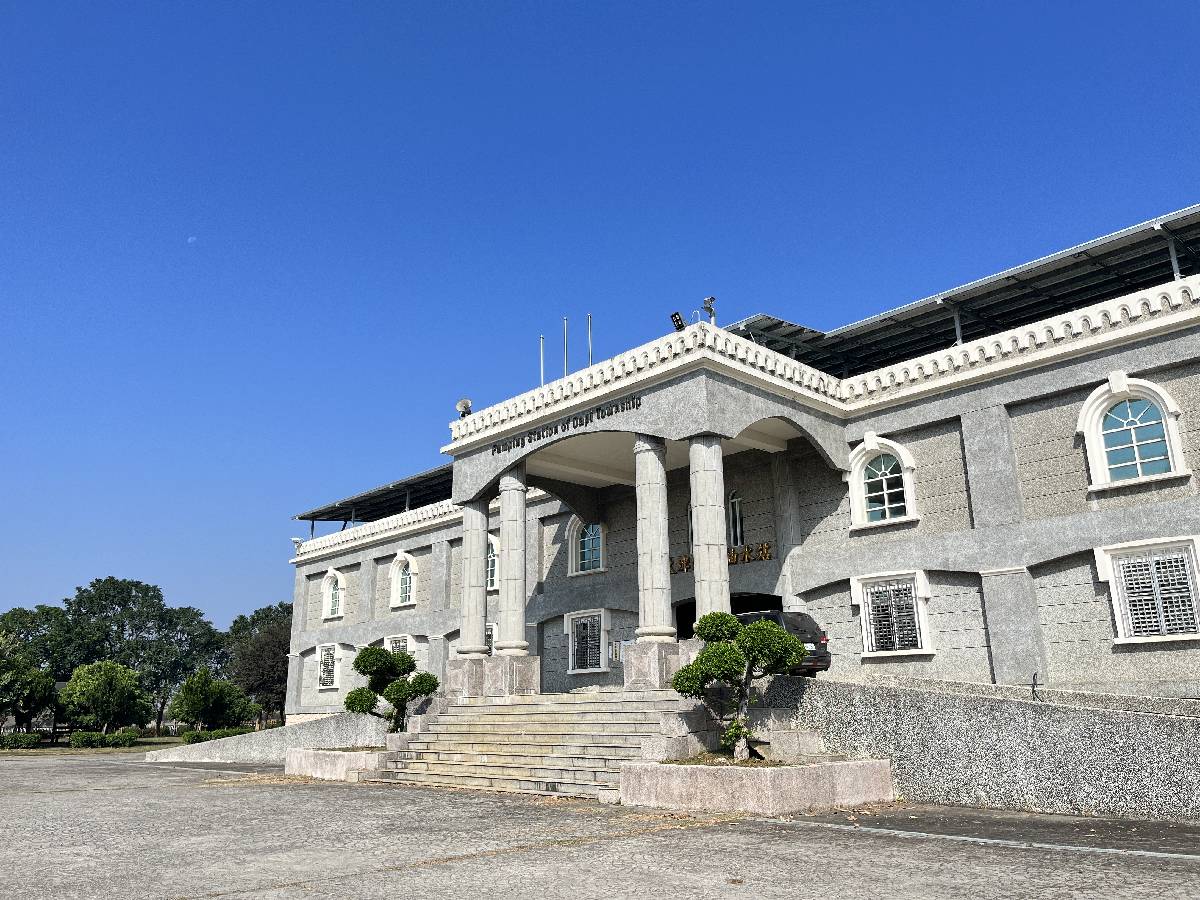 Dapi Pumping Station Environmental Education Park
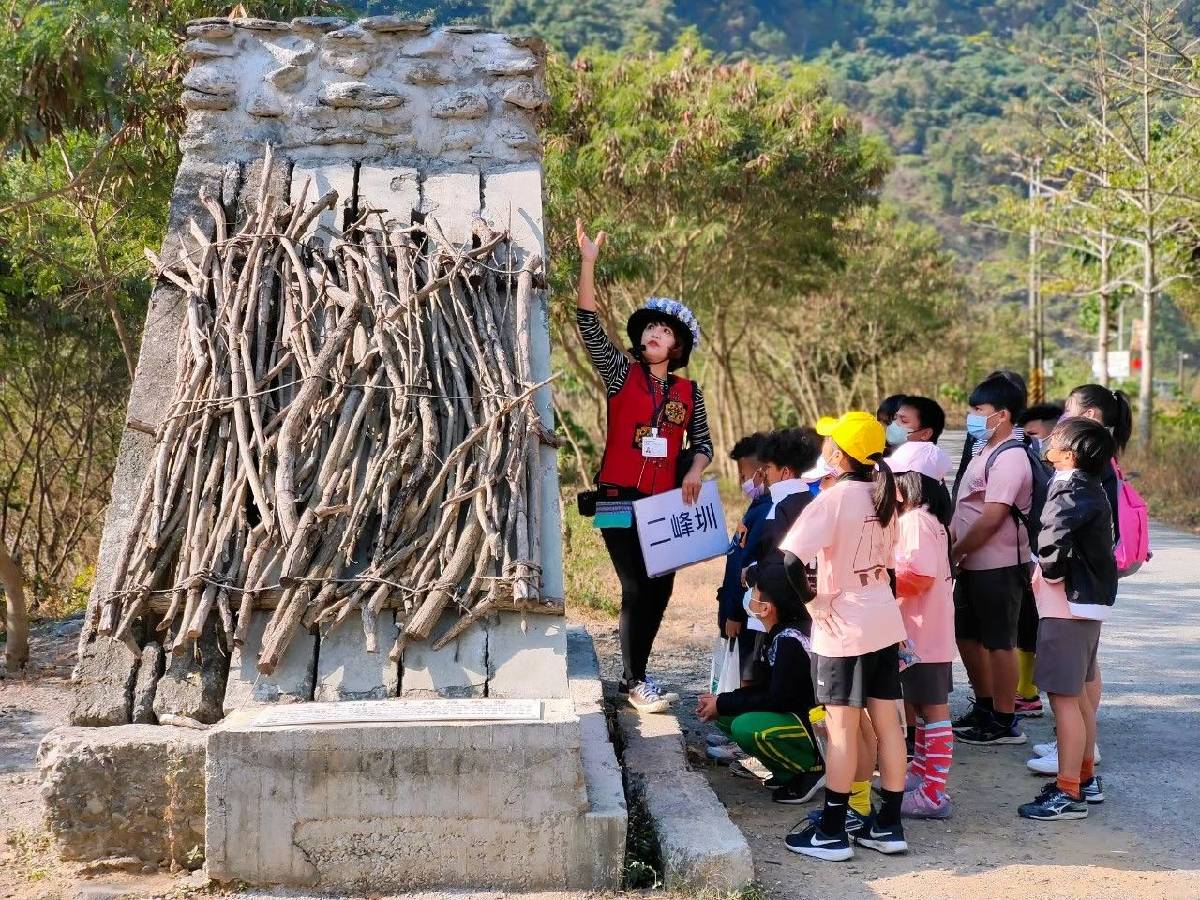 Laiyi Er-feng Irrigation Canal System cultural education trail
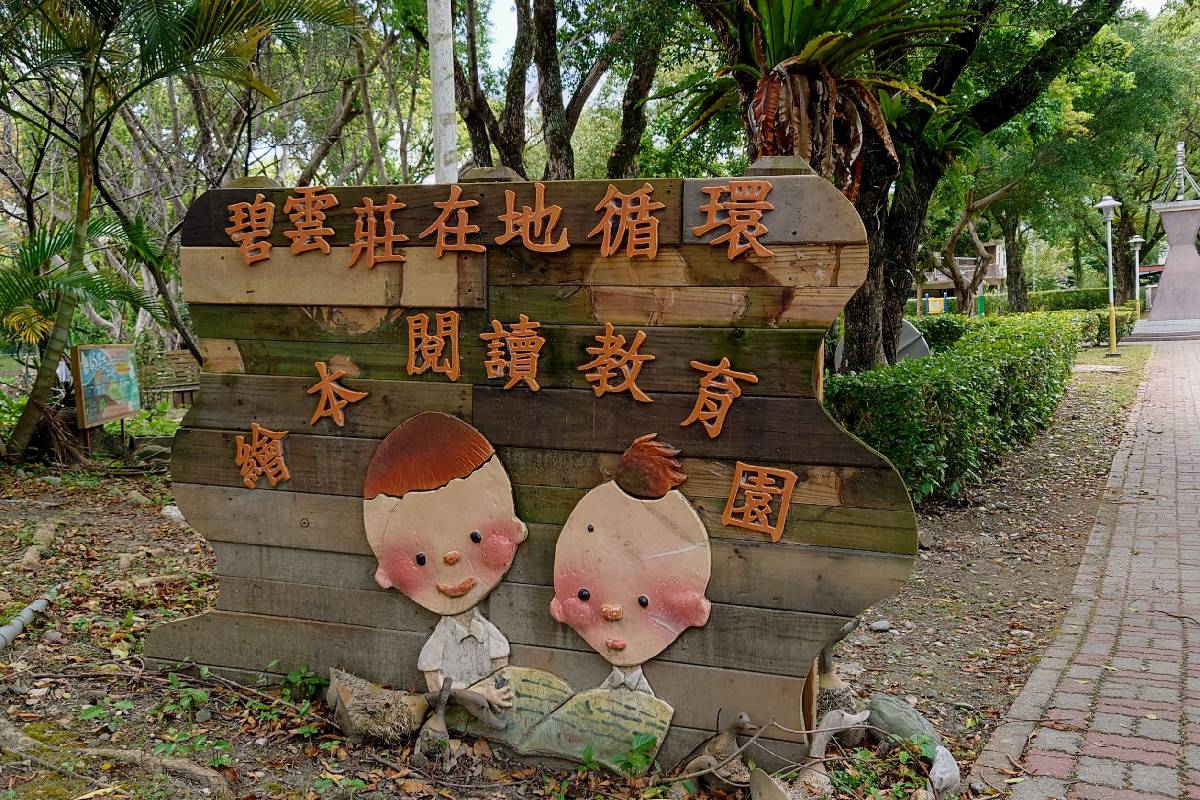 Local Circulating Garden in Biyunzhuang Community
 National Museum of Prehistory.
.JPG) Shanhua Brewery Environmental Education Park
Shanhua Brewery Environmental Education Park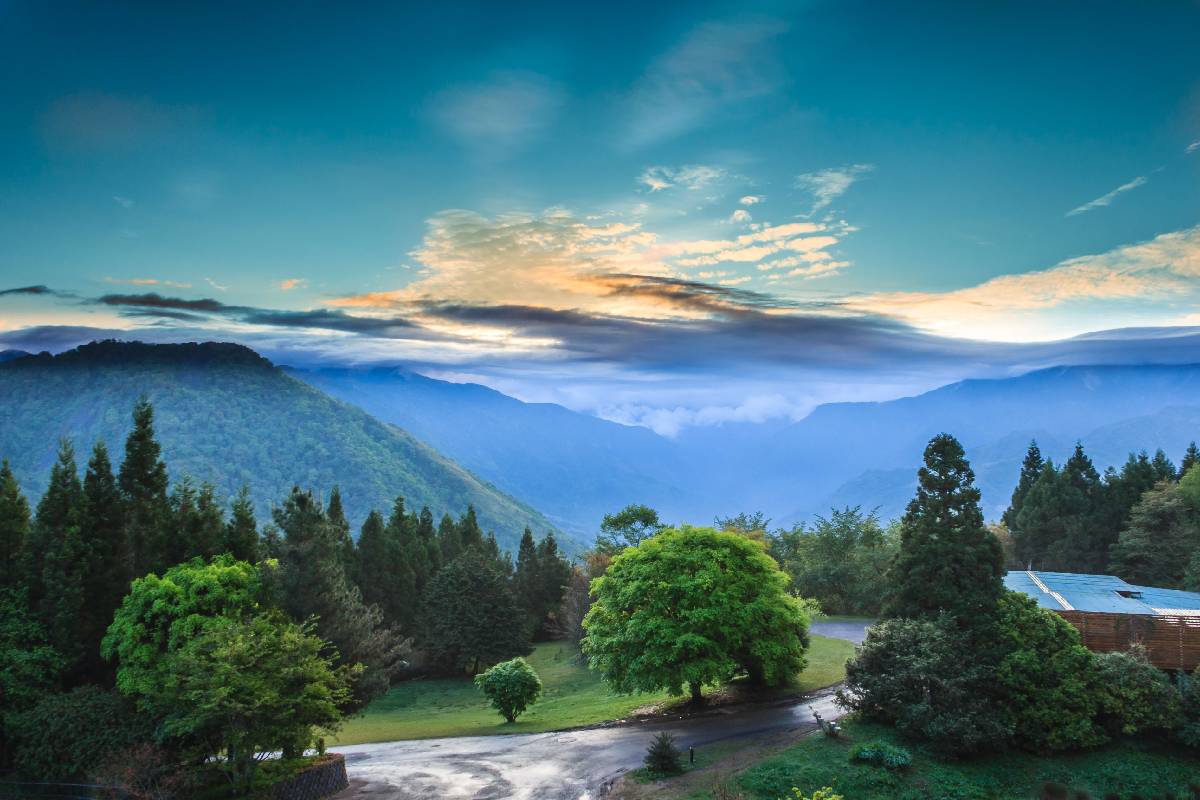 Highland Experimental Farm of National Taiwan University(NTUHEF)
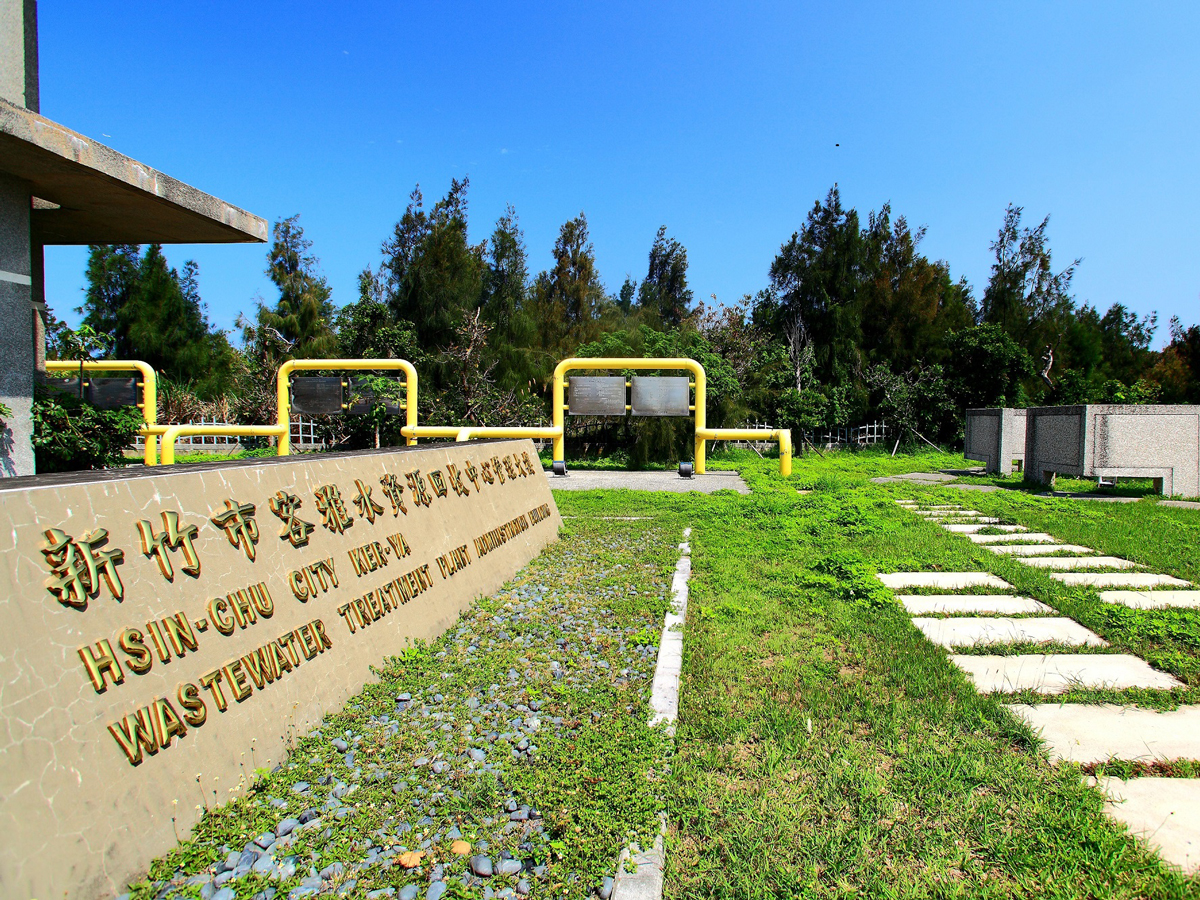 Hsinchu City Kerya Water Resources Environmental Education Center
.jpg) Taichung Tzu Chi Jing Si Hall
Taichung Tzu Chi Jing Si Hall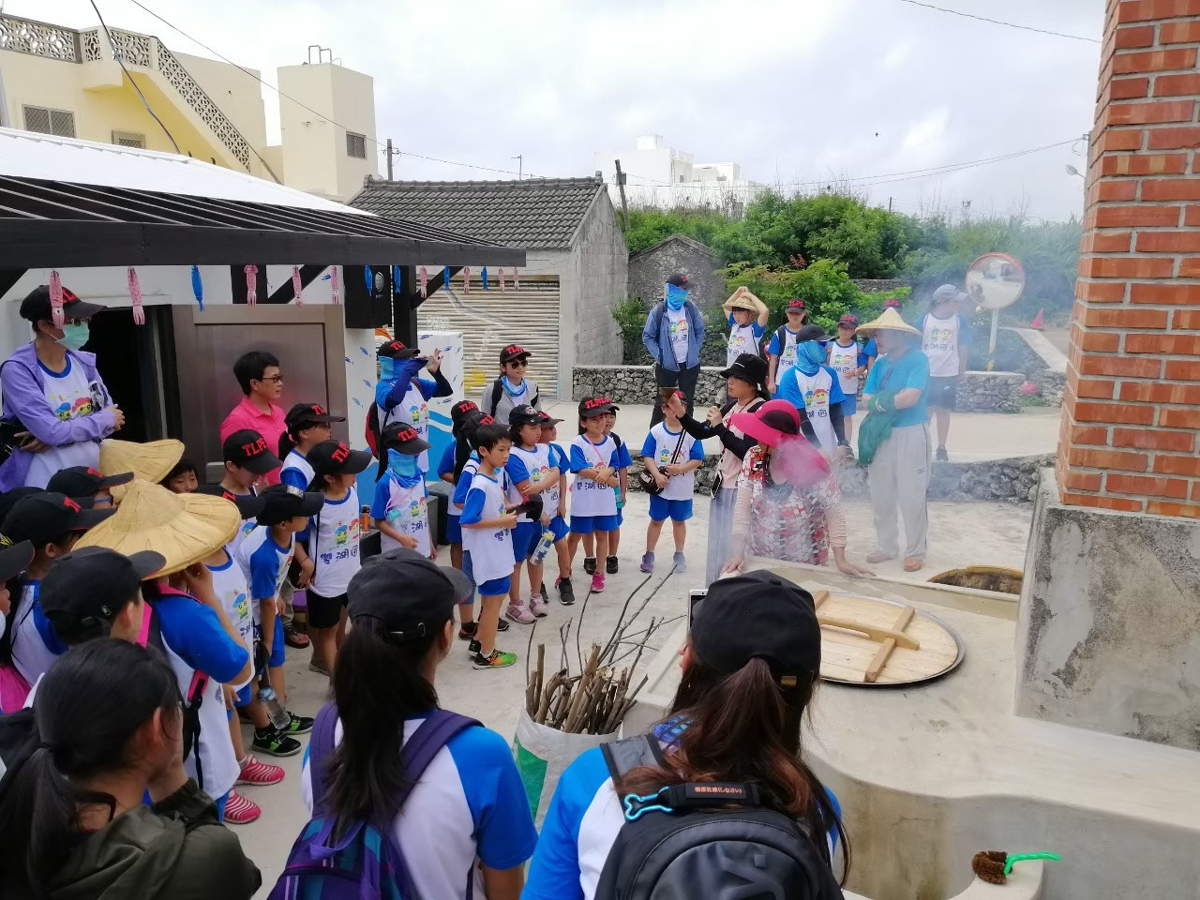 Nanliao Environmental Education Center
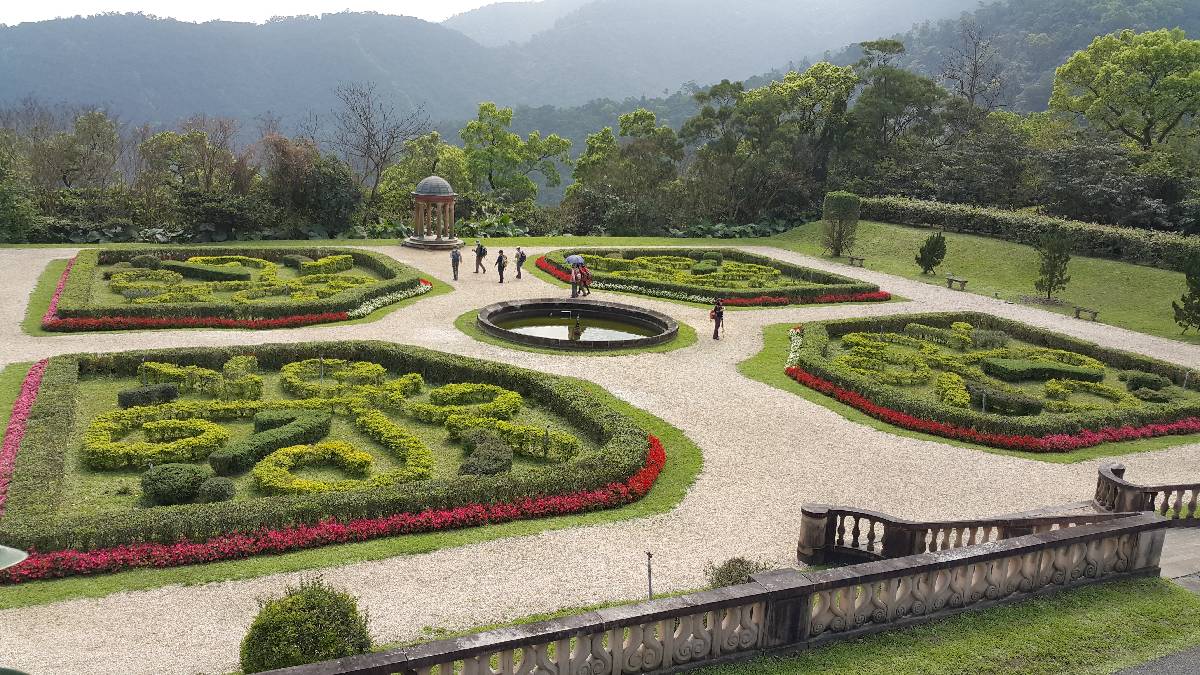 Ren,Shan Botanical Garden,Yilan County
 Crape Myrtle Lake Envurinmental Education Park
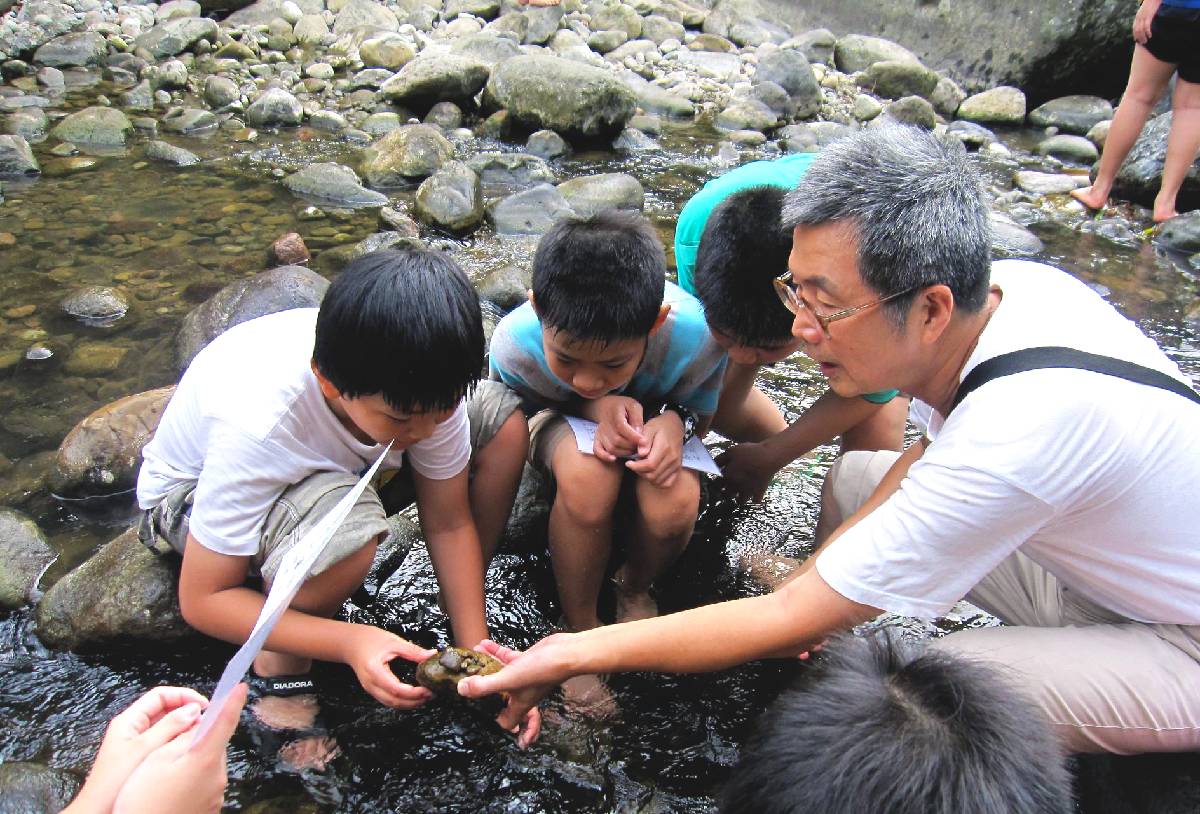 Alibang Eco Farm
 Tapei Water Park
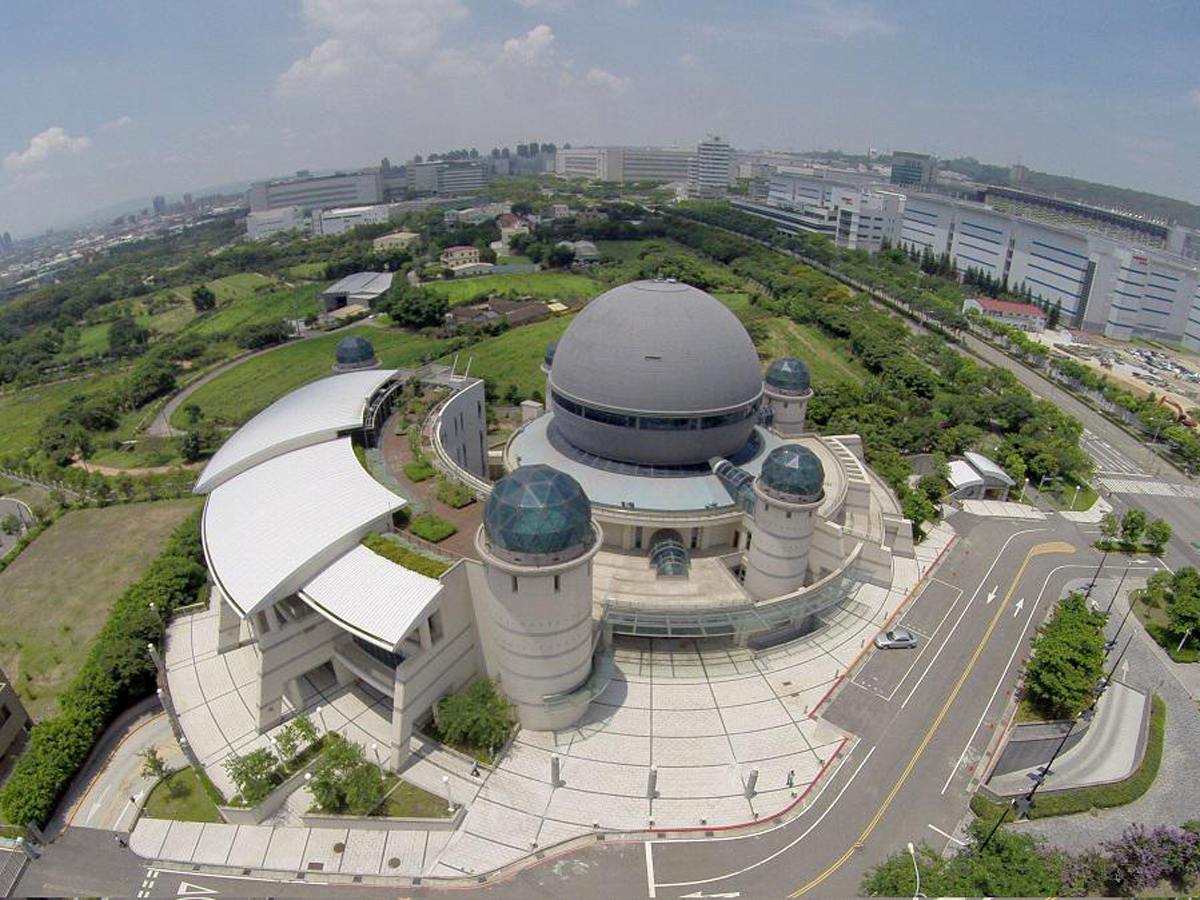 Central Taiwan Science Park, Taichung Park SewageSewage treatment plant
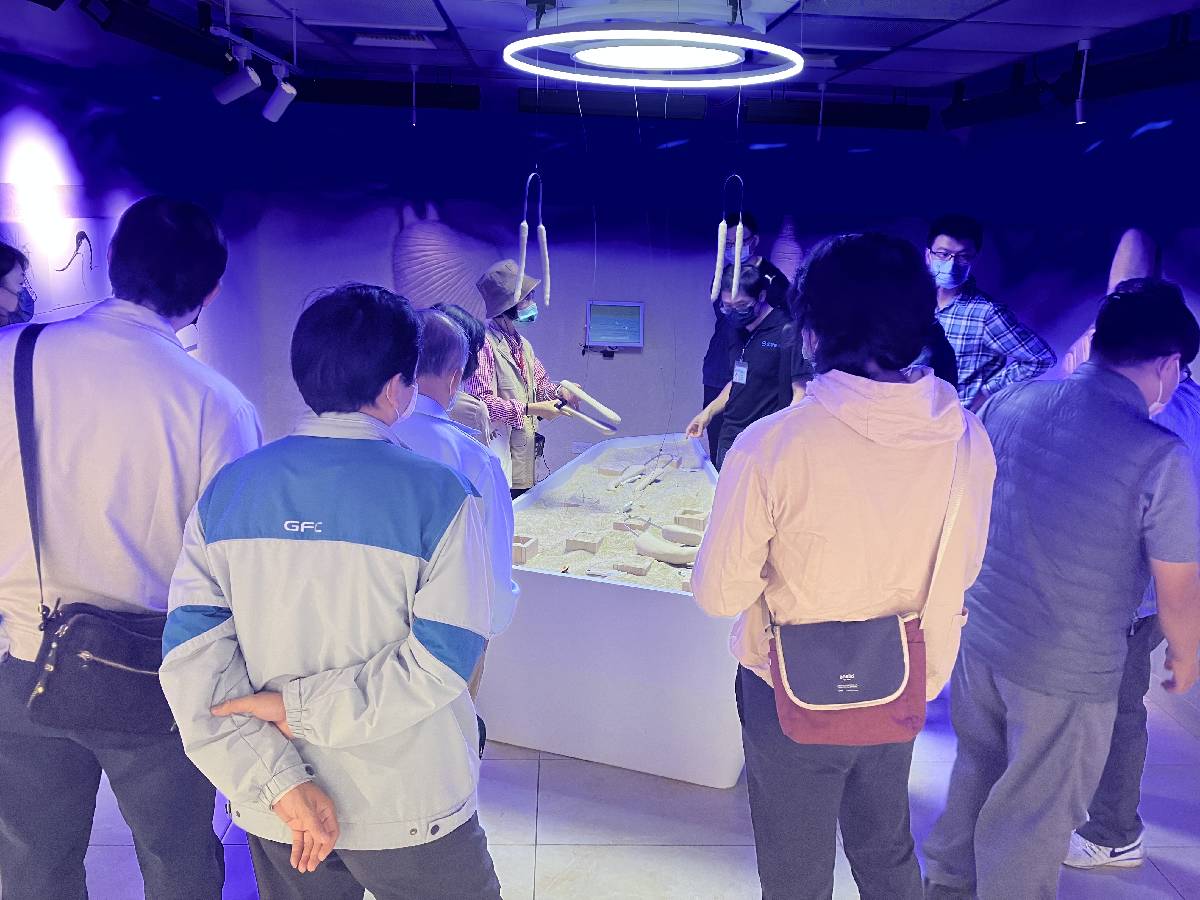 Hsinchu Coastal Low-Carbon Center for Environmental Education
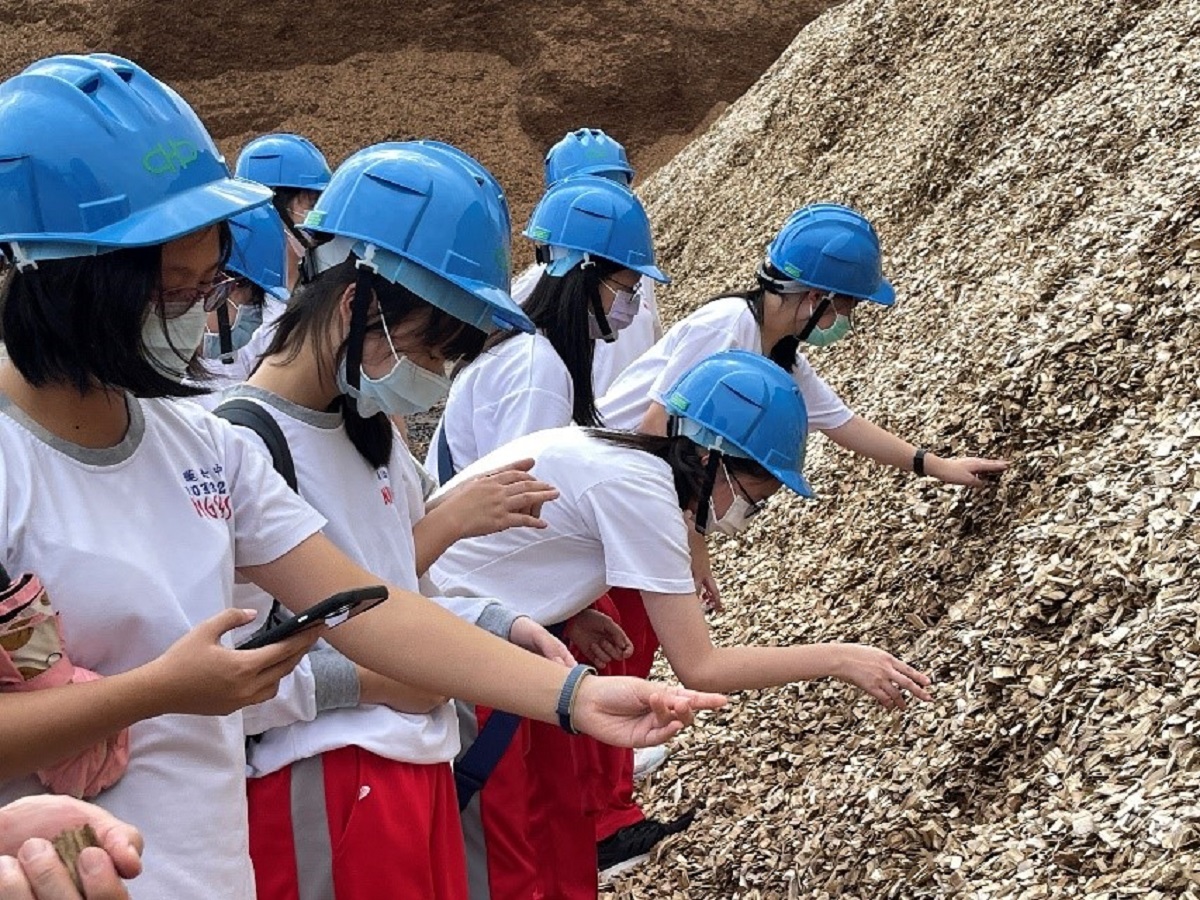 Chung Hwa Pulp Environmental Education Park
Crape Myrtle Lake Envurinmental Education ParkChihnan Nature CenterQishan Tang Chang Environmental Education CentreYun Hsien ResortMetrology & Green Energy Exploration HallFISH BAR EXPERIENCE & EXHIBITION CENTERTaoyuan Disaster Education CenterCentral Taiwan Science Park, Taichung Park SewageSewage treatment plantTree Valley Archaeological and Environmental Education CenterNeihu Sewage Treatment PlantLaiyi Er-feng Irrigation Canal System cultural education trailInternational Jane Goodall's Roots & Shoots Eco-center, Chang Jung Christian UniversityHsinchu Coastal Low-Carbon Center for Environmental EducationHighland Experimental Farm of National Taiwan University(NTUHEF)Kaohsiung Port Environmental Education CenterNational Museum of Prehistory.Daxi Wood Art Ecomuseum, TaoyuanHsinchu City Kerya Water Resources Environmental Education CenterLittle Ding-Dong Loving Earth Practical WorkshopKinmen National ParkAlibang Eco FarmSun Moon Lake Environmental Education CenterChanghua County Wanggong Oyster Shell Art Cultural AssociationNanliao Environmental Education CenterTapei Water ParkNTU Agronomist FarmChung-Tai Resource Tech. Corp. Environmental Education CenterNational Museum of Natural ScienceEndemic Species Research InstituteTaichung Tzu Chi Jing Si HallRen,Shan Botanical Garden,Yilan CountyChukou Nature CenterAnyo MuseumLieyu Township Environmental Education ParkShengou Water ParkTAIYEN BIOTECH CO.,LTD. Cigu Salt FieldsDharma Drum Campus for Environmental and Spiritual EducationNational Taiwan Science Education CenterShanhua Brewery Environmental Education ParkHaifeng Wetland Environmental FieldDapi Pumping Station Environmental Education ParkYong Kang Waste-to-Energy (Incineration) Plant, Environmental Education CenterWindow On World Miniature and Culture InstituteLocal Circulating Garden in Biyunzhuang CommunityTainan City Recycle Education ParkBeneficial Microbes MuseumWUSANTO Reservoir Envirnmental Education FieldSAZASA Forest Culture MuseumNational Cheng Kung University Marine Biology and Cetacean Research CenterKaohsiung Yanchao Animal Protection and Education ParkFormosa Yangmei Organic Ecology FarmJibei Cultural Museum of Stone WeirsTSMC Taichung Ecological CampusMuzha Waste Incineration Plant, Environmental Protection Bureau of TaipeiSun-Link-Sea Vacation ResortsNanzih Water Environmental Education CeterChung Hwa Pulp Environmental Education ParkNational Science And Technology Museum
Chung Hwa Pulp Environmental Education Park
Crape Myrtle Lake Envurinmental Education ParkChihnan Nature CenterQishan Tang Chang Environmental Education CentreYun Hsien ResortMetrology & Green Energy Exploration HallFISH BAR EXPERIENCE & EXHIBITION CENTERTaoyuan Disaster Education CenterCentral Taiwan Science Park, Taichung Park SewageSewage treatment plantTree Valley Archaeological and Environmental Education CenterNeihu Sewage Treatment PlantLaiyi Er-feng Irrigation Canal System cultural education trailInternational Jane Goodall's Roots & Shoots Eco-center, Chang Jung Christian UniversityHsinchu Coastal Low-Carbon Center for Environmental EducationHighland Experimental Farm of National Taiwan University(NTUHEF)Kaohsiung Port Environmental Education CenterNational Museum of Prehistory.Daxi Wood Art Ecomuseum, TaoyuanHsinchu City Kerya Water Resources Environmental Education CenterLittle Ding-Dong Loving Earth Practical WorkshopKinmen National ParkAlibang Eco FarmSun Moon Lake Environmental Education CenterChanghua County Wanggong Oyster Shell Art Cultural AssociationNanliao Environmental Education CenterTapei Water ParkNTU Agronomist FarmChung-Tai Resource Tech. Corp. Environmental Education CenterNational Museum of Natural ScienceEndemic Species Research InstituteTaichung Tzu Chi Jing Si HallRen,Shan Botanical Garden,Yilan CountyChukou Nature CenterAnyo MuseumLieyu Township Environmental Education ParkShengou Water ParkTAIYEN BIOTECH CO.,LTD. Cigu Salt FieldsDharma Drum Campus for Environmental and Spiritual EducationNational Taiwan Science Education CenterShanhua Brewery Environmental Education ParkHaifeng Wetland Environmental FieldDapi Pumping Station Environmental Education ParkYong Kang Waste-to-Energy (Incineration) Plant, Environmental Education CenterWindow On World Miniature and Culture InstituteLocal Circulating Garden in Biyunzhuang CommunityTainan City Recycle Education ParkBeneficial Microbes MuseumWUSANTO Reservoir Envirnmental Education FieldSAZASA Forest Culture MuseumNational Cheng Kung University Marine Biology and Cetacean Research CenterKaohsiung Yanchao Animal Protection and Education ParkFormosa Yangmei Organic Ecology FarmJibei Cultural Museum of Stone WeirsTSMC Taichung Ecological CampusMuzha Waste Incineration Plant, Environmental Protection Bureau of TaipeiSun-Link-Sea Vacation ResortsNanzih Water Environmental Education CeterChung Hwa Pulp Environmental Education ParkNational Science And Technology Museum
With fish education and marine sustainability as the core, Fish Bar supply sustainable seafood, share knowledge about the ocean, fish, and fisheries, plan and lead fishery and fish education activities, in order to connect consumers, fisheries personnel, and academic units for communication and feedback. Our goal is to achieve sustainable development.
MORE
Due to its low-lying terrain and proximity to streams, Dapi Township in Yunlin County has a high potential for flooding, with historical records showing floodwaters reaching depths of up to 2 feet. In order to improve the flood situation, the Fifth River Management Office constructed the Dapi Pumping Station in 2013, which has become an important disaster prevention facility for the Yunlin-Chiayi region.
MORE
Qigu salt field is located at Qigu, Tainan, near the Taiwan Strait. It used to be a bay salt field and owns rich salt industry resources, including salt mountains, salt pan, and coastal plants. Qigu salt field combines natural resources with cultural heritage. To promote Qigu's local features, we use diverse learning methods to guide visitors so that they can feel the natural and cultural features here.
MORE
The Biyunzhuang community empowerment has been established for over 20 years and has won numerous awards in Taiwan. We use storytelling as a means to help visitors understand the spirit of "Stone Soup" in the Biyunzhuang community. In the areas surrounding the community center, visitors will learn about environmental protection and reading through the process. The people here are warm and welcoming. This is a livable and beautiful community. You are welcome to visit us.
MORE
In order to assist Kaohsiung City in realizing the environmental education action target of "Low Carbon Sustainable Development, Creating a Green City", we provide and establish the four environmental education learning areas of "Water Recycling", "Water Recovery", "Water Recycling", "Water Recirculation", and "Water Ecology" for the public, and through the courses, exploration, and experience, we will learn about the concepts of the sustainable coexistence of human beings, water, water, and the environment, the environment, and human beings, and gradually build up a correct connotation and spirit of environmental education, and become a seed for friendly environmental action.
MORE
The ""Metrology and Green Energy Exploration"" is a project coordinated by the Bureau of Standards, Metrology and Inspection of the Ministry of Economic Affairs. In 2020, it commissioned the Foundation of Stone and Resource Industry Research and Development Center to construct and operate an educational facility within the Hualien Branch of the Bureau of Standards, Metrology and Inspection M.O.E.A. This facility focuses on two main themes: ""Metrology"" and ""Green Energy,"" offering a series of learning materials related to environmental measurement and green energy lifestyles. In the field of metrology, it covers everything from the historical and cultural aspects of measurement to the transition to the international SI unit system, providing a deep understanding of the connection between measurement units and daily life. In the realm of green energy, it explains the interactions between solar energy, wind power, hydropower, geothermal energy, ocean energy, and carbon neutrality, emphasizing Taiwan's goal of energy independence and the significance of green energy development. Through accessible and hands-on experiences, the facility aims to promote environmental and scientific knowledge while creating a sustainable learning environment beneficial to Eastern Taiwan's industries and society.
MORE
Neihu Sewage Treatment Plant is the second largest biological treatment plant in Taiwan, with a semi-underground design. The designed capacity of Neihu Sewage Treatment Plant is about 240,000 tons per day. It primarily processes sewage from Neihu District and Dazhi District in Taipei City. The sewage is treated using secondary treatment and disinfected with sodium hypochlorite before being discharged into Keelung River. Additionally, Neihu Sewage Treatment Plant uses filtration system to treat some of the discharged water to produce reclaimed water for a wide variety of purposes, in order to implement the circular economy for the Sustainable Development Goals. To enable more people to understand the process of sewage including generation, collection, treatment, and recycling, a variety of environmental education programs are provided for understanding the cycle of water resources.
MORE
This educational site is located above the Luanshan tribe and has the most complete preserved Phoebe banyan mixed forest belt and native species. It is hoped that by establishing a sustainable management mechanism that retains land and sites, using the traditional and ancient wisdom of the Bunun people and the concept of Forest Bank, this educational venue can be used to rebuild ethnic culture and regain the equivalence and sustainability between man and nature. A harmonious learning field. In addition, this educational venue further emphasizes the subjectivity of tribes, progressively develops local knowledge of land, nature, culture, etc., internalizes it into their own beliefs, fully invests in the reconstruction of mountain forest knowledge, respects the survival rights of other animals and plants, and at the same time strives for The Bunun people have the right to dominate and interpret their culture. Let the wisdom of ancestors grow and thrive from the land again to protect and promote tribal culture.
MORE
This site is located in Lieyu Township, Kinmen County, which is known as "the outer island among the outer islands and the front line among the front lines." It is only 5 kilometers away from Xiamen, mainland China. This site is the only basalt coast in Kinmen with a special onion shape. Weathered columnar basalt, granite and other geological landscapes, as well as seasonal greenstone troughs like a green carpet from March to May every year. Because Lieyu Township is surrounded by the sea and has rich coastal flora and fauna, Lieyu Township Office has proposed it as an environmental education site. Through environmental education courses, Lieyu Township is expected to protect the geological landscape and coastal ecology of Lieyu Island and reduce the number of tourists. It brings about garbage and pollution, protects the ecological environment of coastal animals and plants, promotes the development of tourism, and also maintains the beauty of the natural environment to achieve the goal of environmental sustainability.
MORE
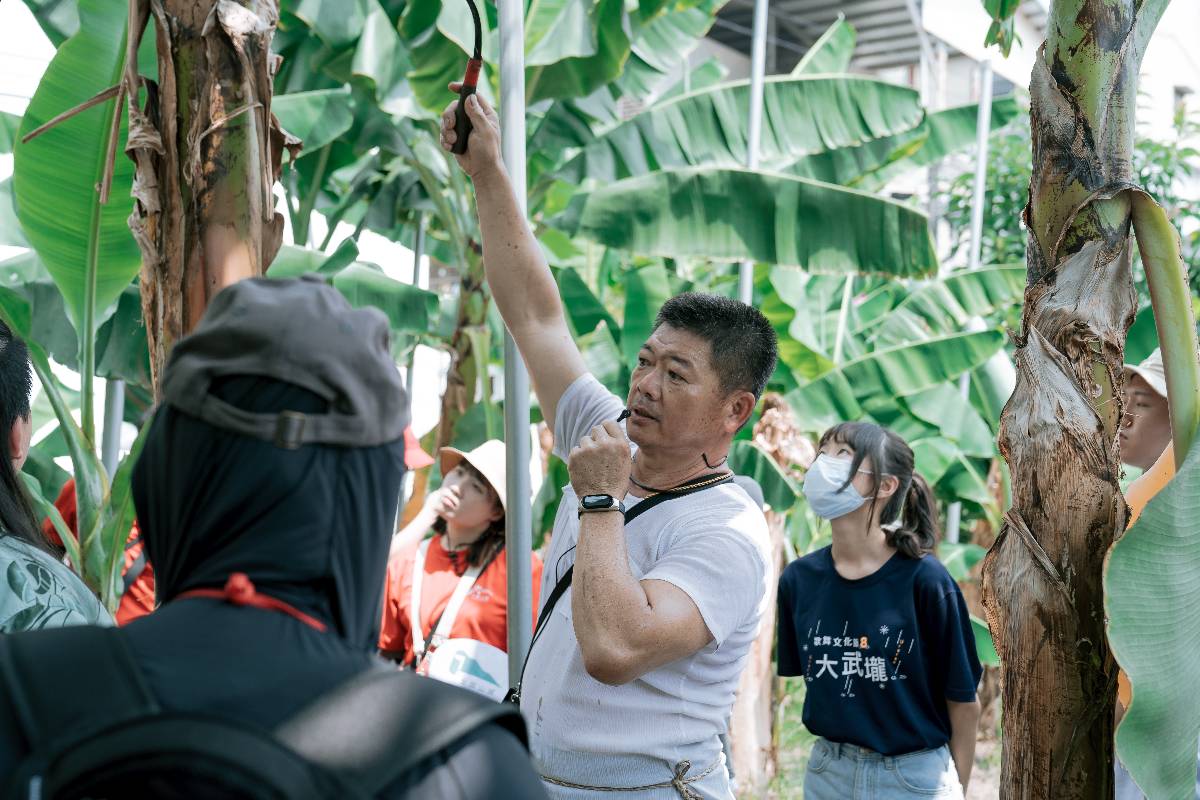
The park is located at the end of National Highway No. 10 and serves as a must-pass point for traveling between the nine districts of east Kaohsiung . During the Japanese colonial period, this area was once a glorious “Banana Kingdom,” and the slogan “North Jiufen, South Qishan” was even coined. The sugar industry and the presence of the Japanese gave Qishan bananas an irreplaceable position. However, as times changed, the sugar industry declined, and its former glory faded away. The Japanese left, but Qishan’s bananas remained, surviving only in the stories told by the older generation. You may not be aware that bananas are the fruit that generates the most agricultural waste. However, here you will learn how we transform various agricultural waste into something magical, achieving low-carbon sustainable development through a circular economy. By integrating local cultural and historical context with the sugar industry, we create two environmental education programs. Through sensory experiences, participants explore and understand the “Banana Kingdom,” immersing themselves in the sugar-producing countryside. These programs emphasize the importance of cultural preservation, community identity, and learning to coexist harmoniously with the natural environment in our pursuit of a low-carbon, sustainable home
MORE